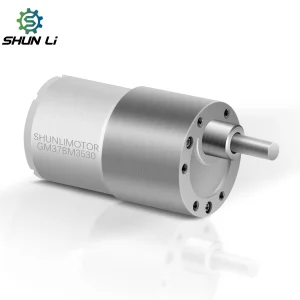
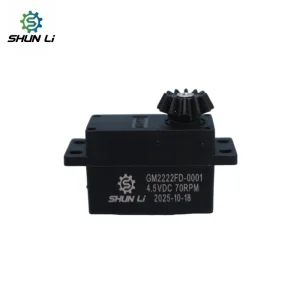
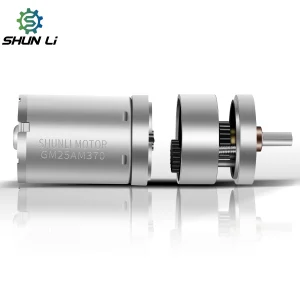
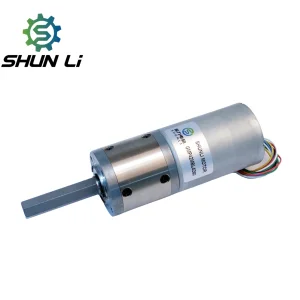
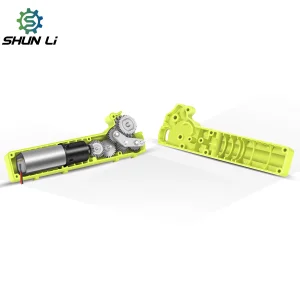
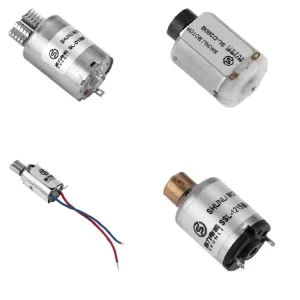
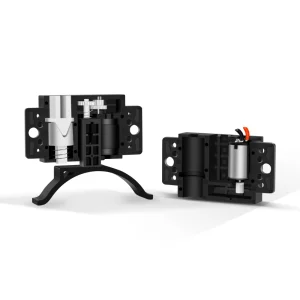
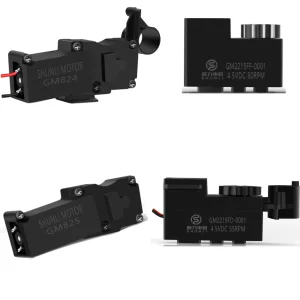
In the rapidly evolving landscape of motion control, sourcing the right gimbal motor factory is no longer just about price—it’s about engineering depth, reliability, and Information Gain. Whether you are developing a 3-axis cinema stabilizer, an industrial drone, or a surgical robot, the motor is the heartbeat of your system.
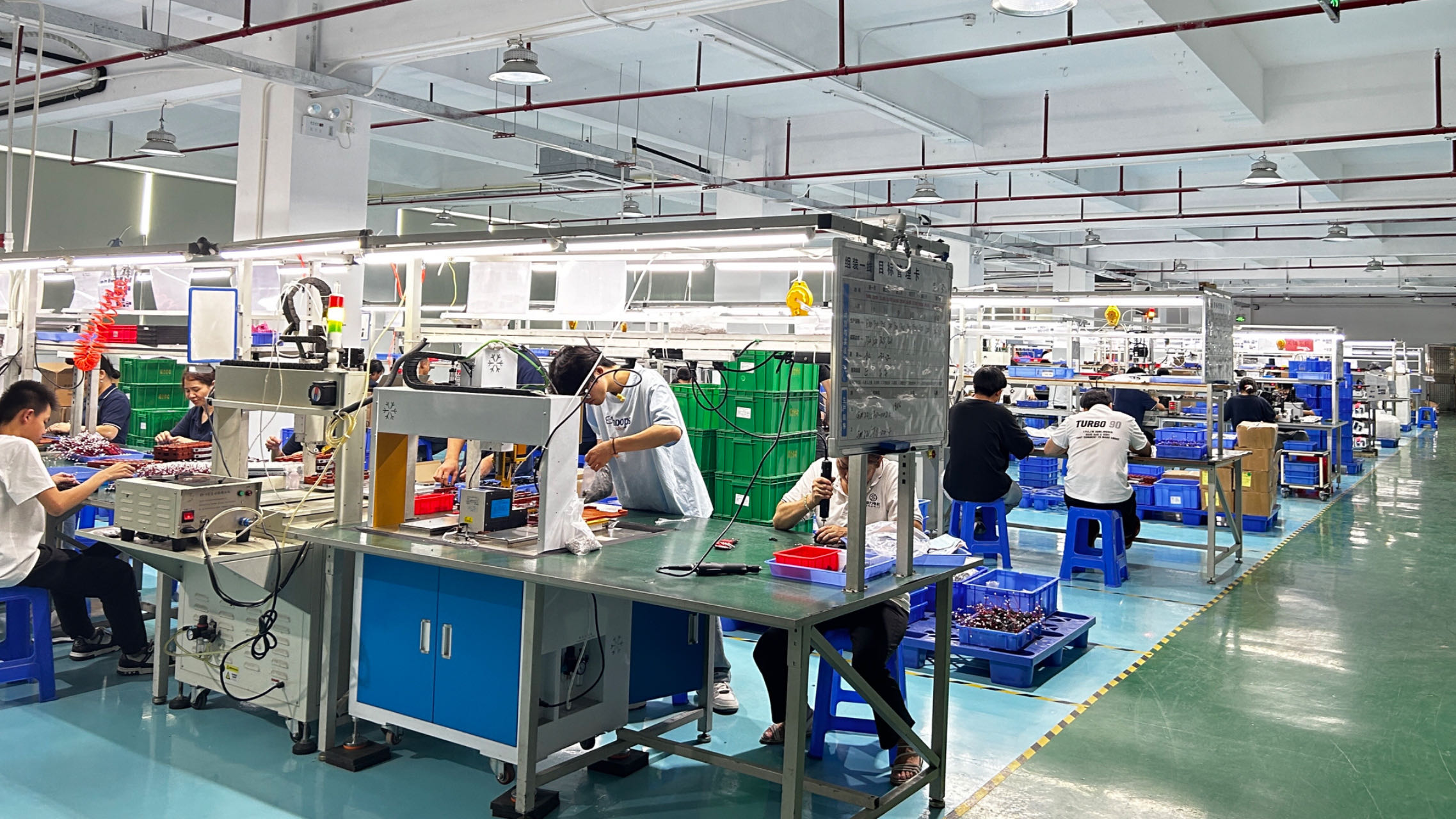
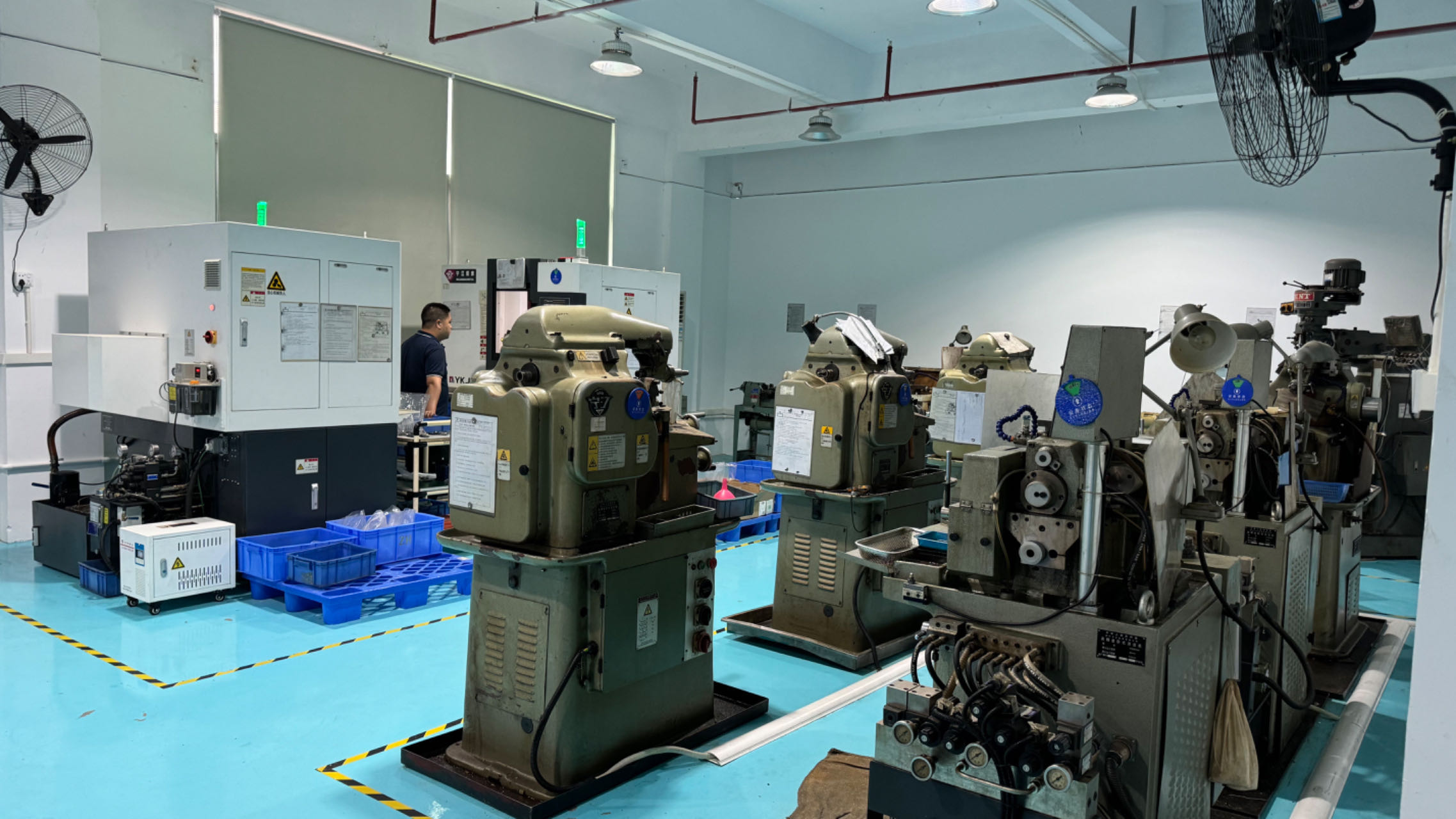
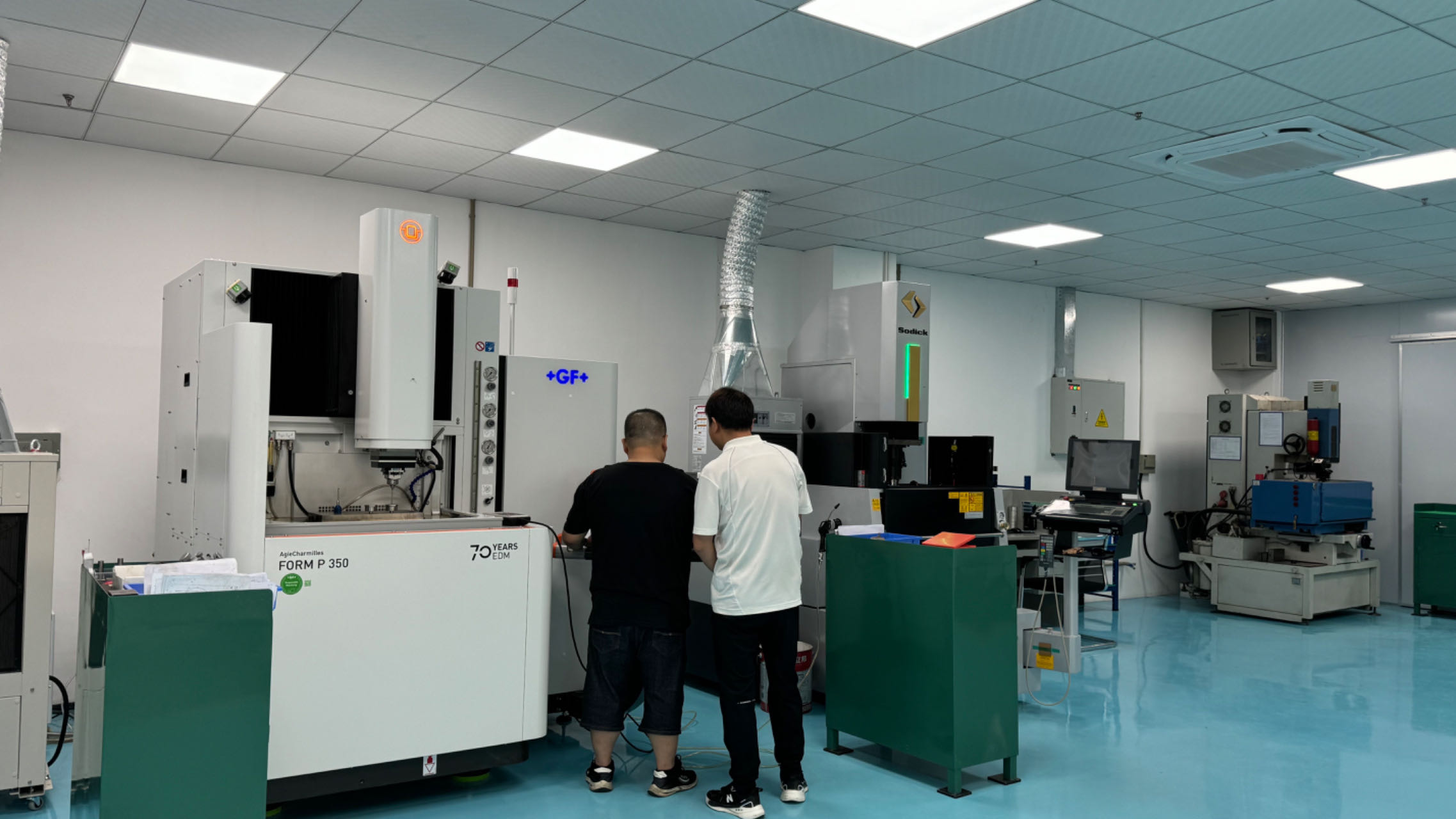
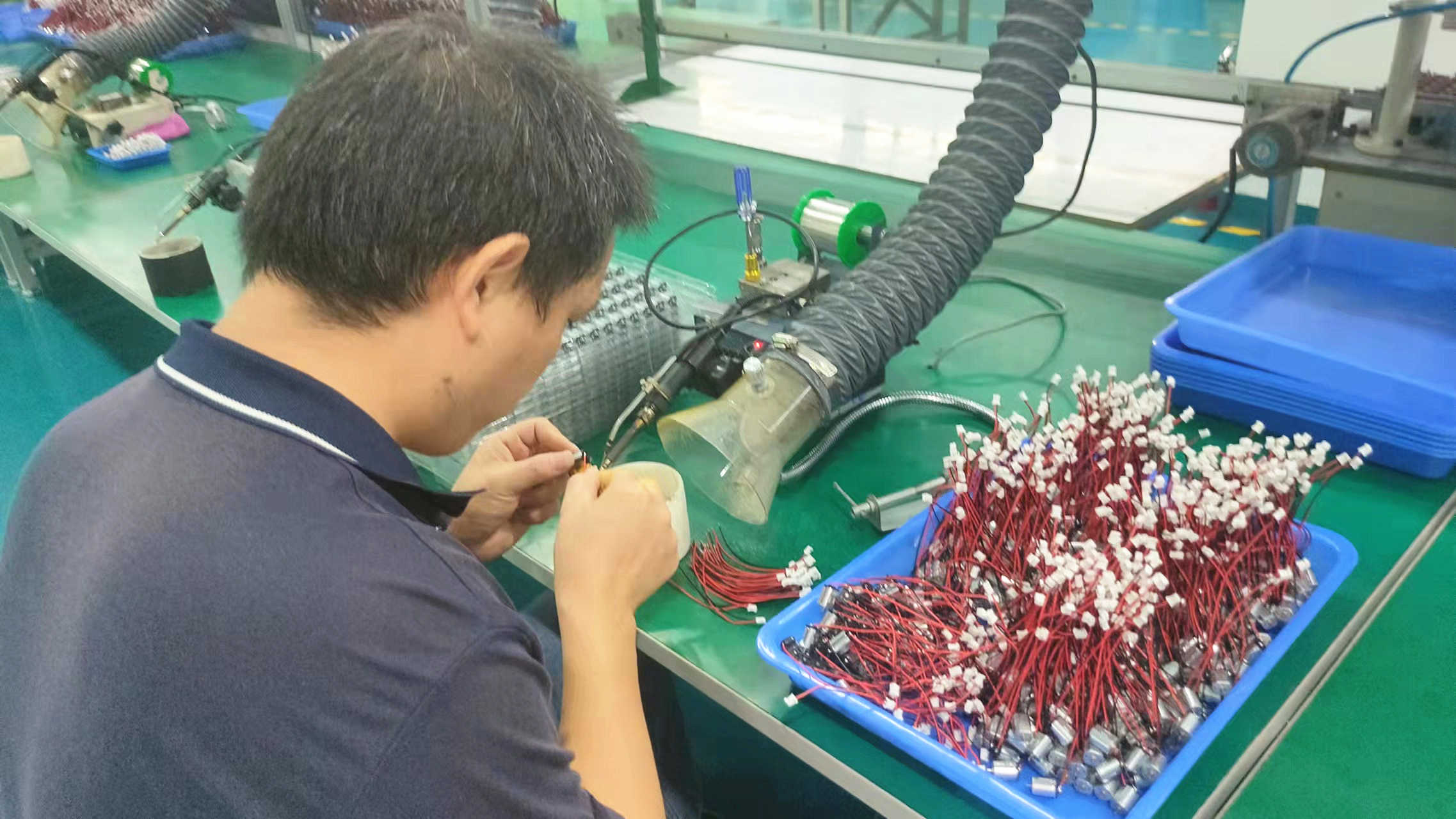
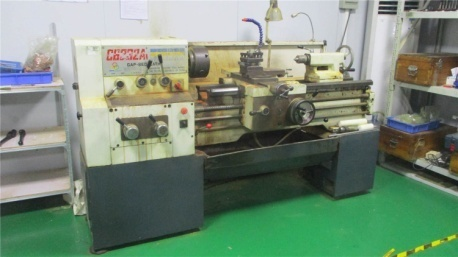
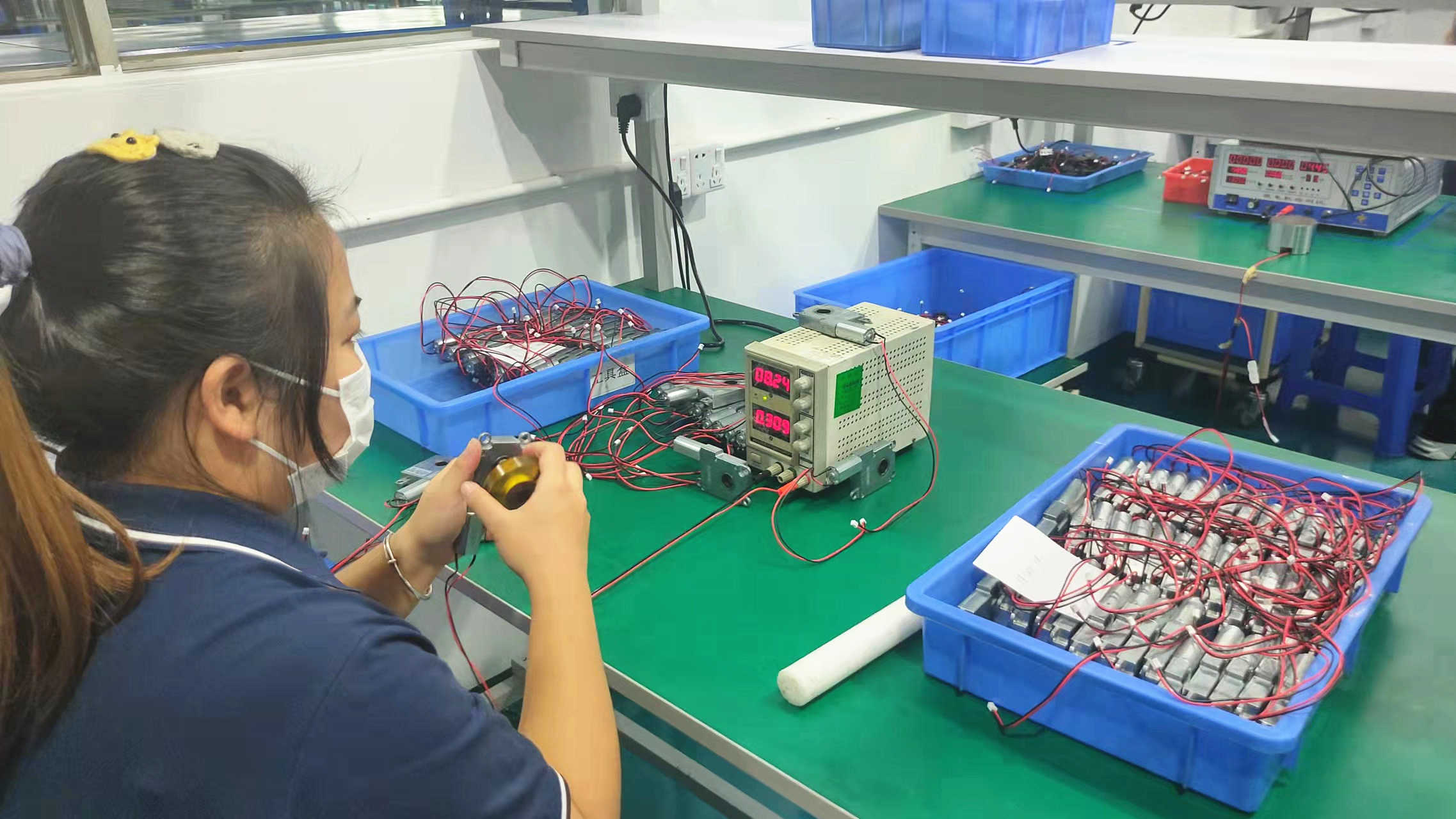
MeshLink Motor (operating since 2006) represents the pinnacle of Verified Factory-Direct sourcing. We bridge the gap between complex engineering requirements and large-scale manufacturing, eliminating the inefficiencies of trading intermediaries.
Why OEM Leaders Choose Direct Manufacturers:
Understanding the shift from consumer-grade to industrial-grade stabilization technology.
The demand for high-torque brushless motors is surging in North America and Europe, driven by autonomous delivery drones and robotic automation.
Factories are pivoting toward IP67-rated motors capable of operating in harsh environments, from offshore inspections to desert surveillance.
The new generation of motors features integrated FOC (Field Oriented Control) drivers that communicate directly with AI vision chips.
The "China + 1" strategy is evolving, with top-tier Chinese factories setting up localized support centers to maintain supply chain resilience.
The transition from traditional DC brushed motors to high-precision BLDC (Brushless DC) systems is complete for high-end gimbals. However, the future lies in "Hyper-Precision Engineering."
1. Hollow Shaft Design: Modern factories are mastering the art of the hollow shaft, allowing for 360-degree slip rings and complex wiring for 8K video transmission without cable tangling.
2. Magnetic Encoder Integration: Standard Hall sensors are being replaced by 14-bit or 16-bit magnetic encoders, providing sub-degree accuracy for stabilized platforms.
3. Thermal Efficiency: Using high-grade NdFeB (Neodymium) magnets and specialized cooling fins to ensure the motor doesn't lose torque during long-duration commercial filming or industrial monitoring.
| Feature | Traditional Motor | Next-Gen Gimbal Motor |
|---|---|---|
| Control | PWM Basic | FOC (Field Oriented) |
| Noise | Moderate | Ultra-Quiet (<25dB) |
| Response | Slow | Instantaneous (<1ms) |
| Life-span | 2,000 Hours | 20,000+ Hours |
The resilience of the Chinese motor supply chain is built on a "Clustered Ecosystem" that no other region can currently match. Top 10 suppliers leverage a specialized network of component manufacturers.
From raw material processing (silicon steel sheets) to precision gear hobbing, everything is located within a 50km radius, reducing lead times from months to weeks.
Producing millions of units for the smart lock and EV industries allows factories like MeshLink to offer industrial-grade quality at competitive prices.
Chinese engineers are iterating on motor designs daily. A custom shaft modification that takes 6 weeks in Europe can often be prototyped in 5 days here.


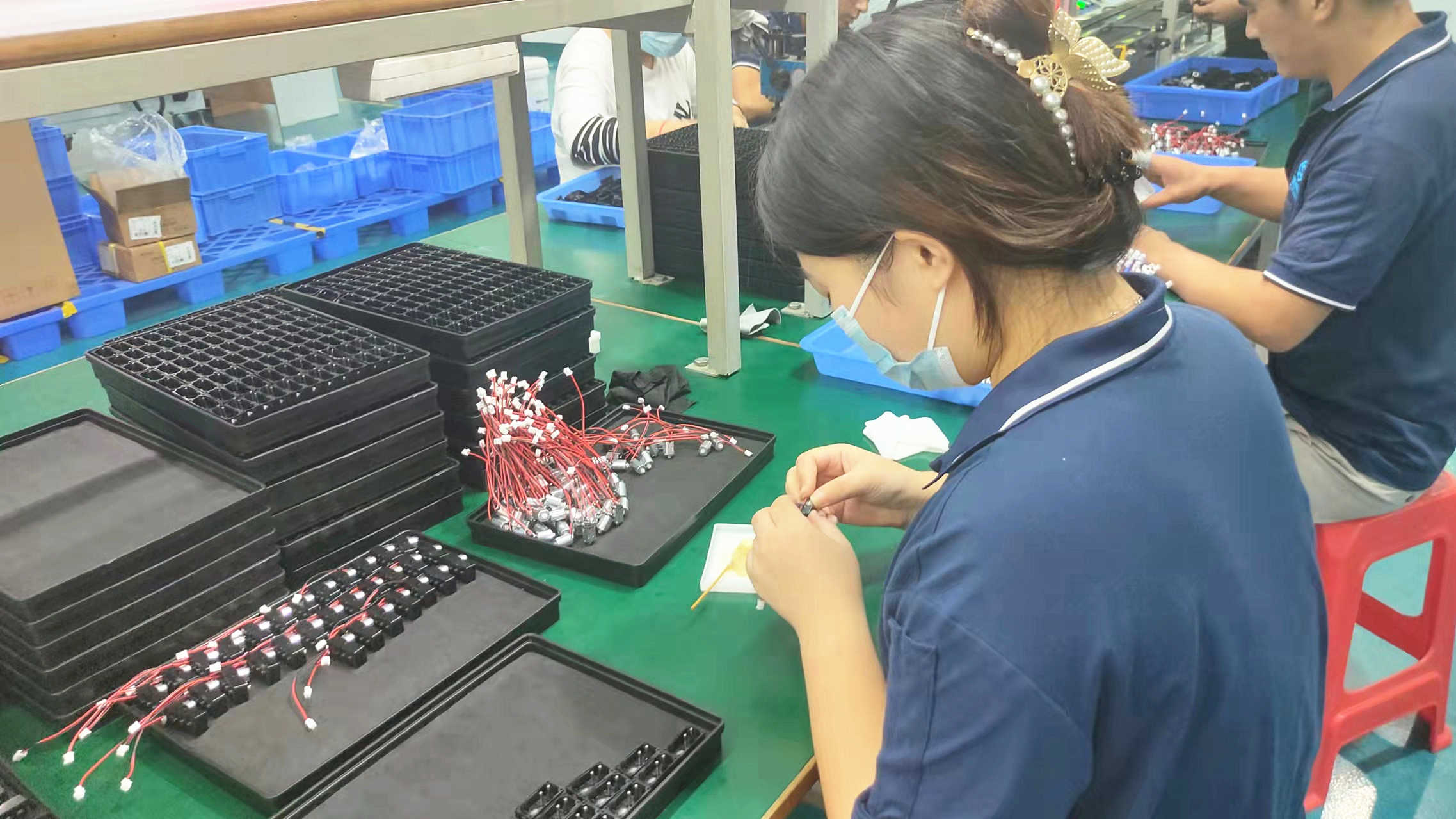
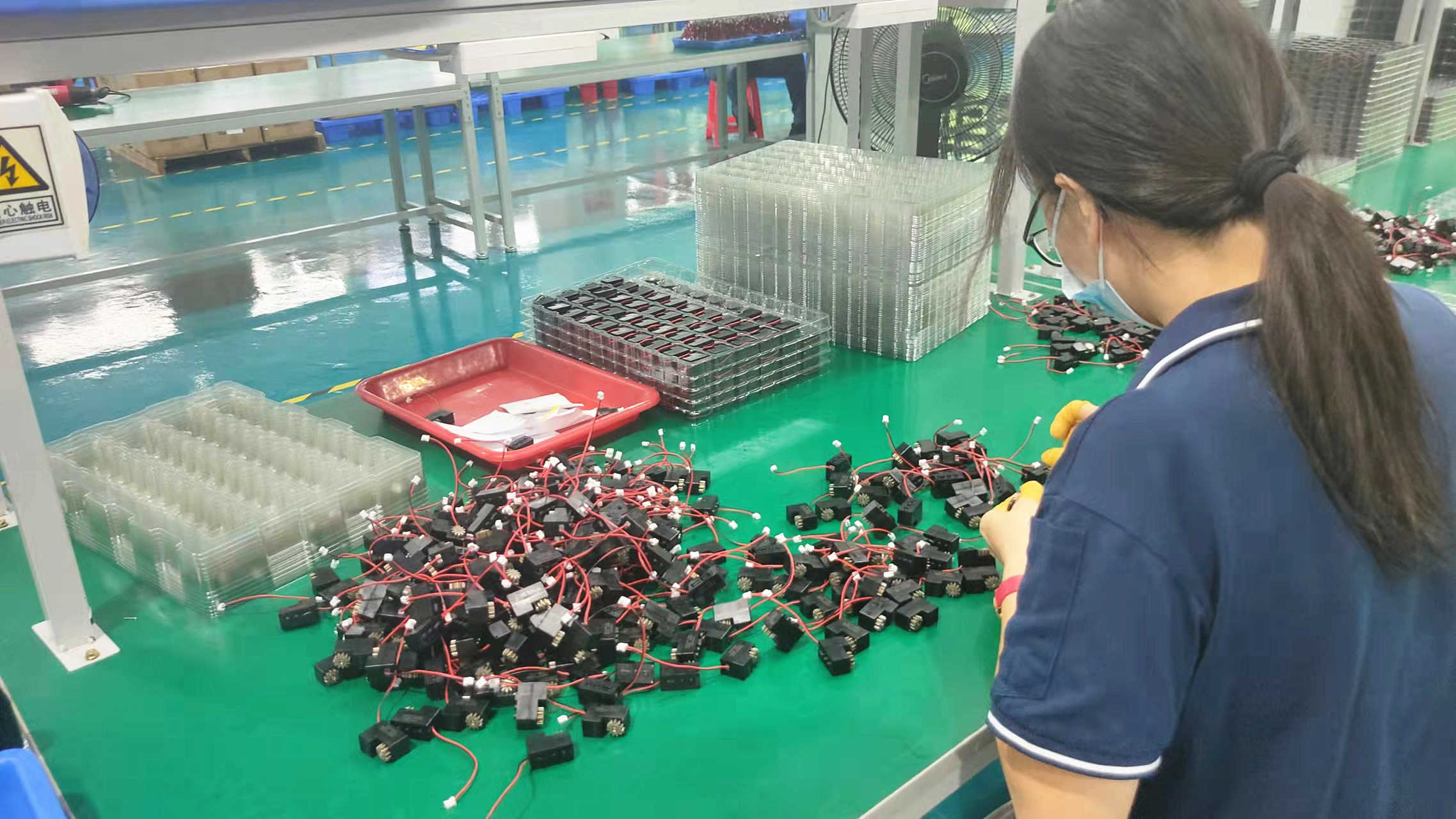
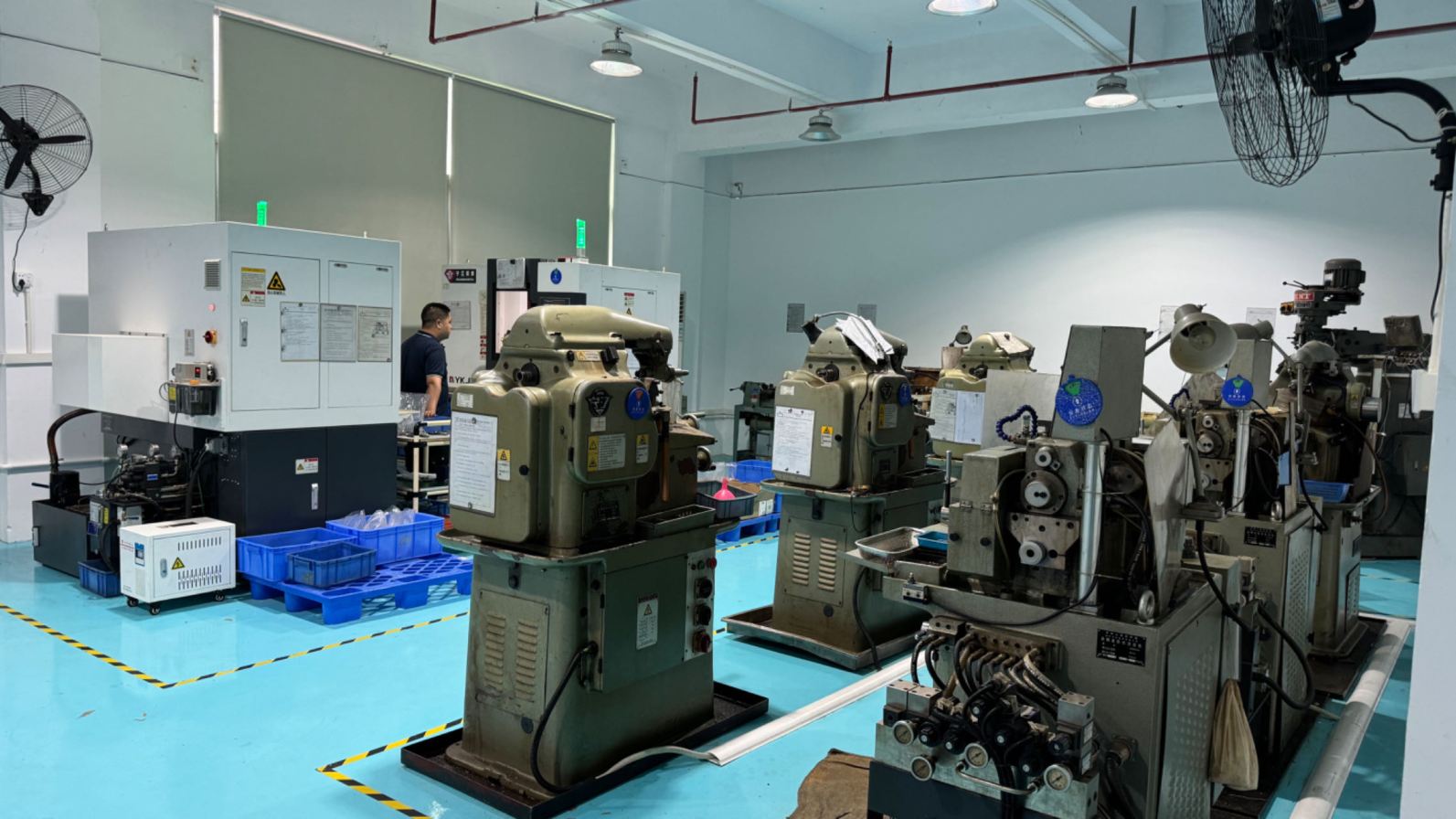
Navigating international trade requires more than just a good product. Our specialized Localized Support ensures that your procurement process is seamless, compliant, and risk-free.
All motors exported are certified for the European market, ensuring safety and environmental compliance.
Strict monitoring of chemical substances used in production to meet the most stringent EU standards.
Established relationships with major logistics carriers (DHL, FedEx, UPS) for expedited customs clearance.
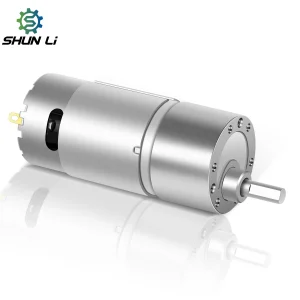
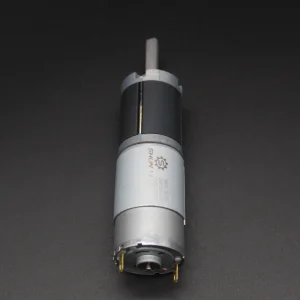
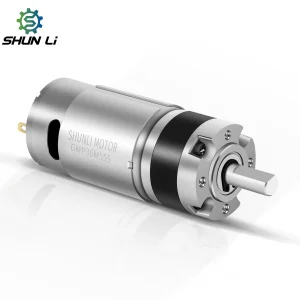
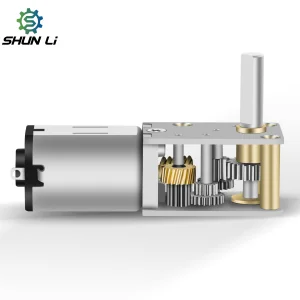
Direct-drive BLDC motors are preferred for high-speed stabilization (like 3-axis camera gimbals) where ultra-low latency is key. Gear motors, such as planetary gear motors, are ideal for high-torque, low-RPM applications where holding a heavy load in position is more important than rapid movement.
At MeshLink, standard prototypes take 7-10 business days. Highly customized designs involving new gear molds or specialized shafts typically range from 3-4 weeks depending on complexity.
Yes, our brushless gimbal motors are designed with standard phase wiring and Hall sensor options to be fully compatible with major gimbal controller ecosystems used in the cinema and drone industries.
We use automated dynamic balancing machines to ensure the rotor is perfectly centered. Furthermore, our acoustic testing chamber ensures every batch meets our strict <30dB noise threshold for "Silent-Running" requirements.
 MeshLink Motor