Top 10 Motor For Lock Solutions You Should Know?

Time:2026-08-17 Author:Sophia
0%

In the rapidly evolving realm of security solutions, understanding the role of "Motor For Lock" systems is crucial. Industry expert Dr. Jonathan Hale emphasizes, "Motor For Lock technology offers both enhanced security and ease of access." His insights reflect a growing recognition of how motorized locks can transform security measures for homes and businesses alike.

Choosing the right motor can be overwhelming. There are numerous options available, each with unique features and benefits. The best solutions cater to specific needs while balancing durability and ease of installation. A well-chosen motor can enhance not only security but also day-to-day convenience. However, improper selection can lead to vulnerabilities, making informed choices essential.

Investing in a quality Motor For Lock solution requires research and understanding. Explore the top choices in the market and their applications. Being aware of the potential pitfalls will lead to smarter decisions. Balancing technology and security needs is a challenge. Yet, the right motor locks can provide peace of mind and protection for your valuable assets.
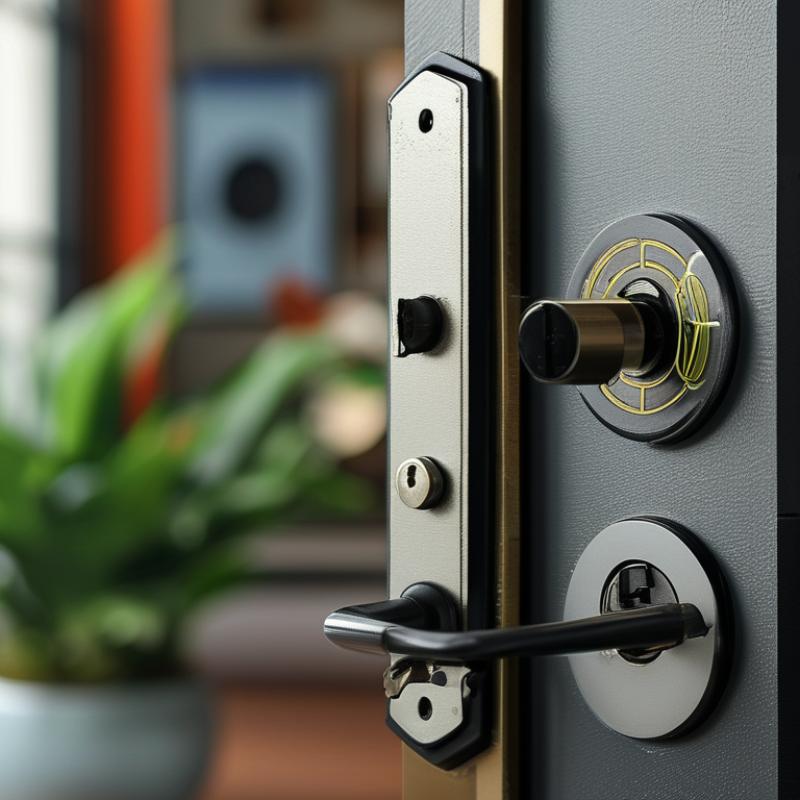
Top 10 Motor For Lock Solutions You Should Know?

Understanding the Importance of Motors in Lock Solutions

Motors play a critical role in lock solutions. They provide the power necessary to engage and disengage locking mechanisms. Understanding how motors function with different lock systems unveils their significance in modern security. For electronic locks, a reliable motor ensures quick response times. It can make the difference between smooth operation and frustrating delays.

Different motors can offer varying levels of efficiency. The type of motor impacts how well a locking system performs in real-world situations. For instance, a faster motor can enhance security by reducing the window for tampering. Yet, not all motors are created equal. Some may wear out quickly, leading to potential vulnerabilities.

Security technologies are continuously advancing. This includes the integration of smarter motor systems that offer enhanced features. However, there remains a need for ongoing evaluation of motor quality. Regular maintenance is key. Even the best lock solutions can fail if the underlying motor is not reliable. It’s essential to reflect on these details when considering a lock solution for personal or professional use.

Key Factors in Selecting the Right Motor for Your Lock System

When choosing a motor for your lock system, understanding essential factors is crucial. The motor's size plays a vital role. A compact motor may fit discreetly but could lack power. Conversely, a larger motor may provide strength but occupy too much space. Balancing these aspects is key.

Another important factor is the motor's torque. High torque ensures quick locking and unlocking, but some motors struggle with this. It's important to select a motor that meets the specific demands of your lock design. Power consumption should also be considered. An efficient motor saves energy and reduces operational costs over time.

Finally, noise level cannot be overlooked. A quiet motor creates a more pleasant user experience. However, achieving a balance between noise and performance can be challenging. Testing different motors under various conditions can help you find the right fit. Overall, careful evaluation of these factors leads to a more effective locking solution.

Overview of Different Types of Motors Used in Lock Mechanisms

In modern lock mechanisms, various motors play crucial roles. Different types of motors are used to enhance security and convenience. The primary categories include electric motors, solenoid motors, and stepper motors.

Electric motors are prevalent in electronic locks. They provide reliable operation, responding rapidly to commands. According to a report by the International Security Conference, about 55% of new lock installations now utilize electric motor systems. The efficiency of electric motors often leads to lower energy consumption, which is essential for energy-efficient designs.

Solenoid motors are simpler and more economical. They work by creating a magnetic field that pulls a latch or bolt. Their straightforward design contributes to their usage in residential locks, serving around 30% of the market. However, solenoid motors may not offer the durability needed for high-security applications. Stepper motors, on the other hand, allow for precise control over lock movements. This accuracy is useful in biometric and smart lock systems that are gaining popularity. Despite their advantages, stepper motors can be more complex and costly, which might be a barrier for some applications.

The landscape of lock motors is continually evolving, offering multiple options for different security needs. Understanding the types available aids in making informed decisions about security solutions.

Top 10 Motors for Lock Solutions

Top Features to Consider When Choosing a Motor for Lock Solutions

When choosing a motor for lock solutions, key features significantly impact performance and security. Consider torque requirements; motors must provide adequate force to withstand tampering. According to a recent industry report, 75% of lock failures stem from insufficient motor power. Security experts advise selecting motors that adhere to recognized standards for quality and reliability.

Efficiency is another vital factor. Look for motors that offer low power consumption while delivering high performance. A study indicated that energy-efficient motors can reduce operational costs by up to 30%. Also, assess the motor's compatibility with various lock systems. Some motors perform better with specific locks, which could influence their effectiveness and lifespan.

Tip: Always check for certifications before making a purchase. Certified motors often undergo rigorous testing, ensuring they meet industry standards. Additionally, user reviews can provide real-world insights into the motor's reliability and effectiveness. Remember, a well-chosen motor enhances the overall security of your locking mechanisms.

Comparative Analysis of Leading Motor Brands for Lock Applications

In the realm of lock solutions, motor brands are critical. A comparative analysis reveals various strengths and weaknesses among leading manufacturers. According to a recent industry report, nearly 70% of consumers prioritize reliability in motor-driven locks. Reliability is essential for security, but some brands do fall short in this area.


Another factor is energy efficiency. Some motors consume up to 30% less power than others, leading to lower operational costs. This is impactful for businesses focusing on sustainability. However, over time, efficiency can wane. Regular maintenance can mitigate this but is often overlooked by users.


Tips: Consider compatibility with existing systems when selecting a motor. Investigate warranty options; a solid warranty reflects confidence in durability. Lastly, think about noise levels. Some motors are quieter, enhancing user experience, especially in residential areas.

FAQS

: What is the most important factor when choosing a motor for a lock system?

: The motor's size is crucial. A compact motor saves space but may lack power.

How does torque affect motor performance in lock systems?

High torque is vital for quick locking and unlocking. Insufficient torque can lead to malfunction.

Why is power consumption an important consideration?

Efficient motors save energy. This reduces operational costs in the long run, benefiting users.

What is the impact of noise level on motor selection?

A quiet motor enhances user experience. Balancing noise with performance can be challenging.

How can testing different motors help in selection?

Testing motors under various conditions identifies the best fit for your specific lock system.

Why is it necessary to ensure motor compatibility with lock systems?

Some motors excel with specific locks. Compatibility influences effectiveness and longevity.

What role do certifications play in motor selection?

Certified motors undergo testing. They are likely to meet industry standards and ensure reliability.

How much can energy-efficient motors save on operational costs?

Studies indicate up to 30% savings with energy-efficient motors over time.

What should users consider regarding motor security?

Adequate force to resist tampering is essential. Insufficient power can lead to security failures.

How can user reviews aid in the motor selection process?

User reviews provide insights into reliability and effectiveness. They help assess real-world performance.

Conclusion

The article "Top 10 Motor For Lock Solutions You Should Know" emphasizes the critical role motors play in the efficacy of lock systems. Understanding the importance of motors in lock solutions is essential for ensuring security and reliability. Key factors to consider when selecting the right motor for your lock system include compatibility, power requirements, and operational efficiency.

Different types of motors, such as stepper, DC, and solenoid motors, each have unique characteristics that can influence the overall performance of lock mechanisms. When choosing a Motor For Lock, it is vital to evaluate features such as durability, response time, and ease of integration. Additionally, a comparative analysis of leading motor brands helps in making informed decisions to optimize lock applications, ensuring safety and functionality in varied security environments.

Sophia

Sophia

Sophia is a dedicated marketing professional with an exceptional depth of knowledge about her company's products and services. With a keen understanding of market trends and customer needs, she crafts insightful blog posts that not only inform but also engage readers, enriching the company’s online......