In the dynamic landscape of consumer electronics, the demand for DC Micro Vibration Motors is on the rise. Recent market research reports indicate that the global DC motor market is expected to grow at a CAGR of 7.5% through 2025. This growth underscores the increasing reliance on micro vibration motors in devices like smartphones, wearables, and gaming controllers.
DC Micro Vibration Motors are essential for enhancing user experience through tactile feedback. They create vibrations that inform users about notifications, alerts, or activities. Industry experts note that high-quality motors can significantly impact the usability of devices. In such a competitive environment, selecting the right motor is crucial for manufacturers.
However, not all motors are created equal. Buyers must consider factors like vibration intensity, durability, and compatibility. While many suppliers offer various options, understanding the technical specifications is vital. This ensures that manufacturers can create devices that meet user expectations while maintaining reliability. Buyers should trust verified suppliers to gain a competitive edge in the market.
Overview of DC Micro Vibration Motors and Their Applications
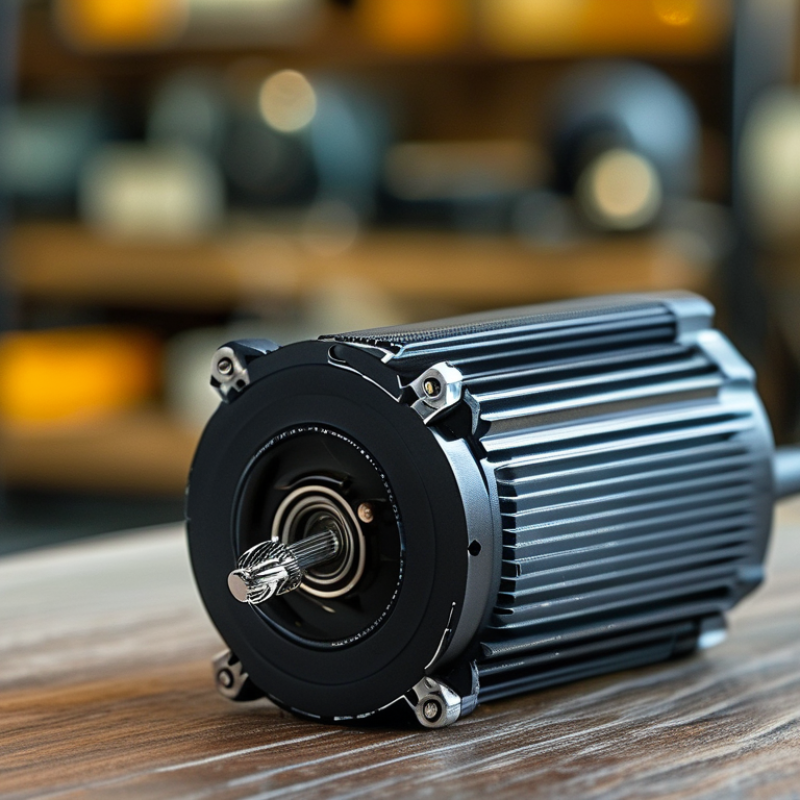
DC micro vibration motors are compact devices that create vibrations for various applications. They are widely used in consumer electronics, automotive systems, and medical devices. These motors operate on a simple principle: when an electric current passes through a coil, it generates a magnetic field, resulting in motion. This motion creates vibrations that enhance user experiences in devices such as smartphones, game controllers, and wearable tech.
Applications of DC micro vibration motors can be found in multiple sectors. In mobile devices, they provide haptic feedback, making notifications more tactile. In health monitoring tools, they can alert users about vital changes. The automotive industry uses these motors in advanced driver-assistance systems. Reliability and precision are crucial in all these applications.
Choosing the right motor can be challenging. Pay attention to factors like size, voltage, and operating conditions. Not all motors are interchangeable. It’s vital to assess your specific needs first. Experimentation and testing can yield better understanding. Consider the impact of motor placement on vibration intensity.
Remember, even small changes can lead to significant effects. Always keep refining your choices and applications. Ensure you understand the limitations of each motor type. This reflection can guide you toward more informed decisions.
Top 10 DC Micro Vibration Motors for Global Buyers
| Motor Type |
Diameter (mm) |
Rated Voltage (V) |
Rated Current (mA) |
Max Vibration (g) |
Applications |
| Coreless Motor |
10 |
3 |
50 |
15 |
Smartphones, Wearable Devices |
| Eccentric Weight Motor |
12 |
5 |
70 |
20 |
Consumer Electronics, Gaming Controllers |
| Pager Motor |
6 |
1.5 |
30 |
10 |
Mobile Phones, Alert Systems |
| Mini DC Motor |
8 |
3.7 |
60 |
12 |
Toys, Health Devices |
| Rotary Vibration Motor |
14 |
6 |
80 |
25 |
Mobile Devices, Robotics |
| Linear Vibration Motor |
7 |
5 |
40 |
18 |
Wearables, Feedback Devices |
| Cylindrical Motor |
9 |
2.5 |
50 |
15 |
E-health, Appliances |
| Flat Motor |
10 |
4.5 |
60 |
20 |
Smart Devices, Fidget Toys |
| SMD Vibration Motor |
5 |
3 |
30 |
5 |
Wearable Tech, Mobile Accessories |
| High Torque Motor |
11 |
5 |
85 |
30 |
Industrial Applications, Robotics |
Key Features to Consider When Choosing DC Micro Vibration Motors
When selecting DC micro vibration motors, several key features play a crucial role. First, consider the voltage range. Motors typically operate within 1.5V to 3.7V. Choosing the appropriate voltage ensures optimal performance and efficiency. Miscalculating voltage can lead to reduced lifespan and functionality.
Another important factor is the vibration frequency. Most DC micro vibration motors provide a frequency range between 100Hz and 300Hz. This range influences the overall effectiveness in applications like mobile devices and wearables. A motor with a higher frequency often delivers stronger vibrations but may consume more power.
Size and weight are also critical considerations. An extensive industry report states that the global micro vibration motor market is expected to grow at a CAGR of 7.2% from 2023 to 2030. This growth is driven by the demand for smaller and lighter components. Designers often face the challenge of fitting powerful motors into compact spaces, which necessitates a balance between size and performance.
Finally, the durability of materials used in the motor contributes to reliability. Motors are commonly exposed to harsh environments, potentially affecting performance. Materials that can withstand harsh conditions are essential for longevity. Understanding these factors ensures that buyers make informed decisions when selecting the right DC micro vibration motor for their specific needs.
Top 10 DC Micro Vibration Motors: A Detailed Review
DC micro vibration motors are essential in various applications, from consumer electronics to medical devices. Their compact size and versatility allow for seamless integration into numerous designs. Understanding their specifications is crucial for selecting the right motor for your project.
When evaluating these motors, consider their electrical characteristics. Look for voltage ratings, current consumption, and vibration frequency ranges. Matching these attributes to your application ensures optimal performance. Keep in mind that a motor's efficiency can significantly impact battery life in portable devices.
Pay attention to the mounting options as well. Some motors come with integrated features, while others may require additional hardware. Each option has its pros and cons. This may lead to the need for specialized fittings and adjustments. It's important to weigh these factors during your decision-making process.
Proper installation and maintenance play a huge role in motor longevity. Regular inspections can help identify wear and tear before they escalate into failures. Testing the motor in real-world conditions provides insight into reliability. Don't overlook the importance of these practical steps. They can save time and resources in the long run.
Comparison of Specifications for Leading DC Micro Vibration Motors
In the realm of DC micro vibration motors, buyers face a myriad of choices. Key specifications such as voltage, size, weight, and vibration frequency are crucial when comparing options. Many motors operate between 3V and 12V, catering to various devices. Size differences can be significant, with some models measuring just a few millimeters. Such compact designs allow for integration into tight spaces.
Vibration frequency ranges greatly, often from 100Hz to 200Hz. This aspect directly influences user experience. Some motors offer adjustable frequencies, providing versatility. However, reliability can be a concern, as not all manufacturers uphold high standards. Not all motors maintain consistent performance over prolonged use, leading to varying durability levels. Additionally, the weight of the motors can impact device design, making lighter models preferable for portable devices.
Understanding these specifications is essential for informed purchasing decisions. Buyers must weigh the benefits of performance against potential shortcomings. Engaging with user reviews helps illuminate real-world performance. As technology evolves, awareness of emerging trends in micro vibration motors can guide buyers towards suitable choices.
Top 10 DC Micro Vibration Motors - Specification Comparison
Market Trends and Future Outlook for DC Micro Vibration Motors
The global market for DC micro vibration motors is experiencing significant growth. According to recent industry reports, the market was valued at approximately $700 million in 2022 and is expected to reach $1.2 billion by 2028, marking a CAGR of around 9% from 2023 to 2028. This growth is fueled by increasing demand in various sectors, such as consumer electronics, automotive, and medical devices. The adaptability of micro vibration motors in applications like haptic feedback in smartphones is particularly noteworthy.
In terms of technological advancements, manufacturers are focusing on improving motor efficiency and size. The trend towards smaller devices has made miniaturization of the motors essential. However, challenges remain. For instance, the balance between performance and durability can sometimes lead to compromises. Pressure on manufacturers to reduce costs while maintaining quality further complicates the landscape.
As we look to the future, sustainability is emerging as a key concern in this industry. Companies are being urged to adopt eco-friendly practices in production. Data from industry analysts suggest that over 40% of buyers are now prioritizing ethical sourcing and production transparency. This shift might influence how companies develop and market their products moving forward, as consumers become more discerning about their choices.
FAQS
: They are compact devices that create vibrations through electric currents.
They are used in consumer electronics, automotive systems, and medical devices.
An electric current generates a magnetic field, leading to motion and vibrations.
Size, voltage, and conditions vary. Not all motors fit all applications.
Consider size, voltage, operating conditions, and specific needs for better performance.
The market is growing, driven by demand in consumer electronics and automotive sectors.
Motors must be smaller but still maintain performance and durability, which is challenging.
Sustainability is key. More buyers prioritize eco-friendly practices and transparency.
Balancing cost reduction with quality can be difficult.
They should adopt ethical sourcing and focus on transparent production methods.
Conclusion
DC Micro Vibration Motors are compact and efficient devices widely used in various applications, such as mobile phones, gaming controllers, and wearable technology. This article provides a comprehensive overview of these motors, highlighting their importance in enhancing tactile feedback and user experience. Key features to consider when selecting a DC Micro Vibration Motor include size, voltage range, vibration intensity, and durability.
The detailed review of the top 10 DC Micro Vibration Motors showcases their specifications, performance, and unique characteristics, allowing global buyers to make informed decisions. Furthermore, the article discusses market trends and the future outlook for DC Micro Vibration Motors, emphasizing the growing demand for miniaturized components in modern technology and the ongoing innovations driving this market forward.

 MeshLink Motor