In today’s rapidly evolving automation landscape, selecting the right "Servo Motor" is critical for efficiency and precision. Experts emphasize the importance of understanding servo motors' unique characteristics. John Smith, a noted expert in automation technology, once stated, "Choosing the right servo motor can significantly impact performance and reliability." This insight underscores the necessity for buyers to carefully evaluate their options.
There are various types of servo motors available in the market, each serving a specific purpose. From brushed DC motors to advanced stepper motors, each type possesses distinct features and applications. As global buyers navigate this complex landscape, they must consider factors such as torque, speed, and control systems.
Consideration of these details can be challenging. Many buyers overlook critical specifications, which can lead to suboptimal selections. It's essential to consult reputable sources and specialists. This approach ensures informed decision-making, enhancing the chances of selecting the right "Servo Motor" for specific needs. Balancing qualitative insights with technical data can pave the way for successful automation solutions.
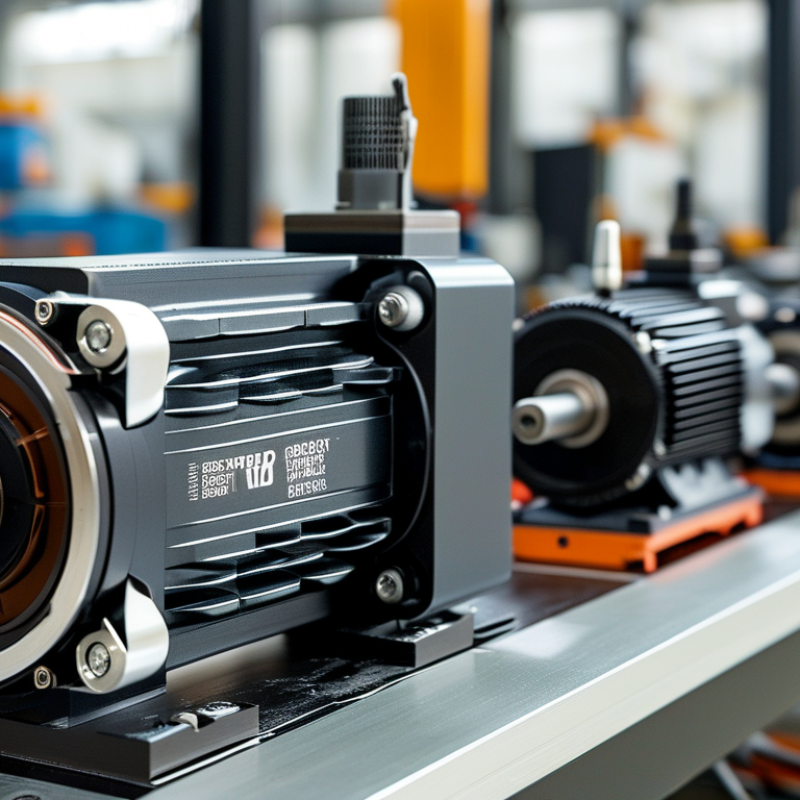
Understanding Servo Motors: An Overview of Their Functionality
Servo motors play a crucial role in various applications, especially in robotics and automation. They are designed for precise control of angular or linear position. These motors are equipped with feedback systems, allowing them to adjust their performance based on the input received. This feedback loop is essential for achieving accuracy in operations.
Understanding the different types of servo motors can help buyers make informed decisions. There are continuous rotation servos, which provide unrestricted 360-degree movement. On the other hand, positional rotation servos allow specific movements to fixed angles. Each type has unique features that cater to diverse requirements in industries.
While servo motors offer exceptional control, they are not without limitations. For instance, the complexity of installation and tuning can be challenging for some users. Moreover, their performance can be affected by external factors like temperature and load variations. A careful evaluation of application needs and potential constraints will ensure better utilization of servo motors.
Types of Servo Motors: Key Categories for Global Buyers
When selecting servo motors, global buyers need to consider key categories that suit their applications.
Servo motors can be classified into various types based on their functions, control systems, and feedback mechanisms.
Common types include AC servo motors and DC servo motors. AC motors are widely recognized for their efficiency and reliability.
Their applications span robotics, CNC machinery, and automation. In contrast, DC servo motors offer smoother control and are
often used in applications where speed variability is crucial. A report by MarketsandMarkets estimates the global servo motor
market will grow at a CAGR of 5.3%, reaching $9.9 billion by 2026.
Another important category is the brushless servo motor, designed to reduce maintenance needs and improve performance.
They are particularly valued in scenarios that require precise motion control. According to a report from Research and Markets,
brushless servo motors account for over 45% of the market share, reflecting their growing popularity. However, the trade-off
can be higher initial costs. Understanding these dynamics helps buyers make informed choices, especially as budgets tighten
or project demands become more complex. Overall, exploring the nuances in servo motor types can lead to more effective
machinery solutions.
Top 10 Considerations When Choosing a Servo Motor
When choosing a servo motor, understanding your application's needs is crucial. Consider the torque requirements. Different applications demand different levels of torque. A mismatched motor can lead to inefficiencies and mechanical failures.
Another key factor is the operating environment. Some motors excel in clean rooms, while others withstand harsh conditions. Assess the temperature, humidity, and potential contaminants in your setup. This ensures that the motor will function reliably over time.
**Tip:** Check the motor's IP rating. This indicates its protection level against dust and moisture. A higher rating generally means better durability in challenging environments.
Speed is also paramount when selecting a servo motor. Evaluate the required speed range for your application. Some tasks need high-speed precision, while others prioritize smooth operation over speed. Choosing incorrectly can affect output quality.
**Tip:** Use a test setup to validate the motor’s performance. This hands-on approach can reveal issues that specifications may not cover. Real-time testing is invaluable for detecting potential mismatches early in the process.
Bear in mind the control method. Whether you prefer analog or digital control impacts the motor's responsiveness and ease of integration. Each method has pros and cons, and your choice should align with your system’s design.
Applications of Different Servo Motor Types in Industry
Servo motors are crucial in various industrial applications due to their precision and reliability. They excel in tasks requiring high accuracy. In robotics, servo motors drive joints and actuators, enabling delicate movements. Automated assembly lines also rely on them for tasks like picking, placing, and welding components. Their ability to maintain consistent speed and torque makes them indispensable in these scenarios.
In CNC machinery, servo motors are essential for driving tools and maintaining precise cutting operations. These motors respond swiftly to commands, ensuring that the machinery stays on course. In packaging, they control the movement of conveyors and packing arms, significantly enhancing efficiency. However, not all servo motors fit every application. Choosing the right type requires careful consideration of the specific needs and limitations of each industrial process.
Moreover, servo motors must often be paired with appropriate controllers. This integration can be complex. It requires a clear understanding of both motor specifications and application demands. Real-time monitoring can also present challenges, demanding constant adjustments. In industries like automotive or aerospace, such complexities can lead to substantial costs if overlooked. Therefore, a thoughtful approach in selection and implementation is necessary for optimal performance.
Top 10 Servo Motor Types for Global Buyers to Consider
| Servo Motor Type |
Voltage (V) |
Torque (Nm) |
Speed (RPM) |
Application |
| AC Servo Motor |
220 |
5.0 |
3000 |
Robotics, CNC Machinery |
| DC Servo Motor |
12 |
1.0 |
6000 |
Robotics, Automation |
| Stepper Motor |
24 |
0.5 |
200 |
3D Printing, CNC |
| Servo Cylinder |
120 |
100 |
150 |
Industrial Automation |
| Servo Drive |
48 |
3.5 |
5000 |
Conveyor Systems |
| Brushless DC Servo Motor |
48 |
4.2 |
4000 |
Aerospace, Robotics |
| Linear Servo Motor |
220 |
20.0 |
3000 |
Pick and Place Systems |
| Integrated Servo Motor |
48 |
8.0 |
2000 |
Compact Robotics |
| Gearhead Servo Motor |
24 |
15.0 |
1000 |
Heavy Machinery |
| Digital Servo Motor |
24 |
2.0 |
3000 |
Packaging, Textile |
Future Trends in Servo Motor Technology and Market Demand
The servo motor industry is rapidly evolving. Recent market research estimates significant growth, projecting a compound annual growth rate (CAGR) of around 7% through 2027. This trend is fueled by increasing demand for automation in various sectors, including manufacturing and robotics. As industries adopt smart technologies, the need for precise control offered by servo motors becomes imperative.
Emerging technologies such as artificial intelligence and IoT are redefining market demands. They create a higher demand for advanced servo motor features, including energy efficiency and compact designs. For instance, a report from a leading technology analysis firm indicates that intelligent servo systems will dominate the market, driven by integration with machine learning algorithms. This shift presents challenges for manufacturers to keep pace with innovation.
Tips: Focus on energy-efficient servo motors. They not only reduce operational costs but also enhance performance. Regularly assess new technologies to stay competitive. Another important factor is reliability over advanced features. Customers prioritize consistent performance in demanding environments. Balancing innovation with dependability may require introspection from manufacturers.
Trends in Servo Motor Types and Market Demand
Conclusion
Servo motors are essential components in various automated systems, providing precise control of angular or linear position, velocity, and acceleration. Understanding their functionality is crucial for potential buyers, as there are several key categories of servo motors available, each designed for specific applications. This article explores the top ten considerations for choosing the right servo motor, including performance specifications, compatibility with existing systems, and overall cost-effectiveness.
Furthermore, different types of servo motors are utilized across various industries, from robotics to manufacturing, highlighting their versatility and importance. As technology advances, the demand for servo motors is expected to grow, with trends leaning towards increased efficiency and smart automation solutions. Buyers must stay informed about these developments to make the best choices for their applications.

 MeshLink Motor