In the fast-paced world of manufacturing and repair, having a reliable source for motor in stock is crucial. Many businesses rely on motors for various applications, making the supply chain essential. However, finding quality suppliers can be challenging. The marketplace is filled with options, but not all options offer the same level of reliability and dependability.
When seeking suppliers, it is vital to assess their experience and expertise. Look for companies that have established a strong reputation in the industry. Certifications can also serve as indicators of a supplier’s credibility. Exploring customer reviews can provide insight into their service quality.
It's important to remember that while the search for the best options can be daunting, settling for less could have long-term consequences. A motor that fails can lead to downtime and lost revenue. Therefore, investing time in finding the right partner is key. Ultimately, the goal is to ensure that your operations are never interrupted due to subpar quality or unreliable supplies.
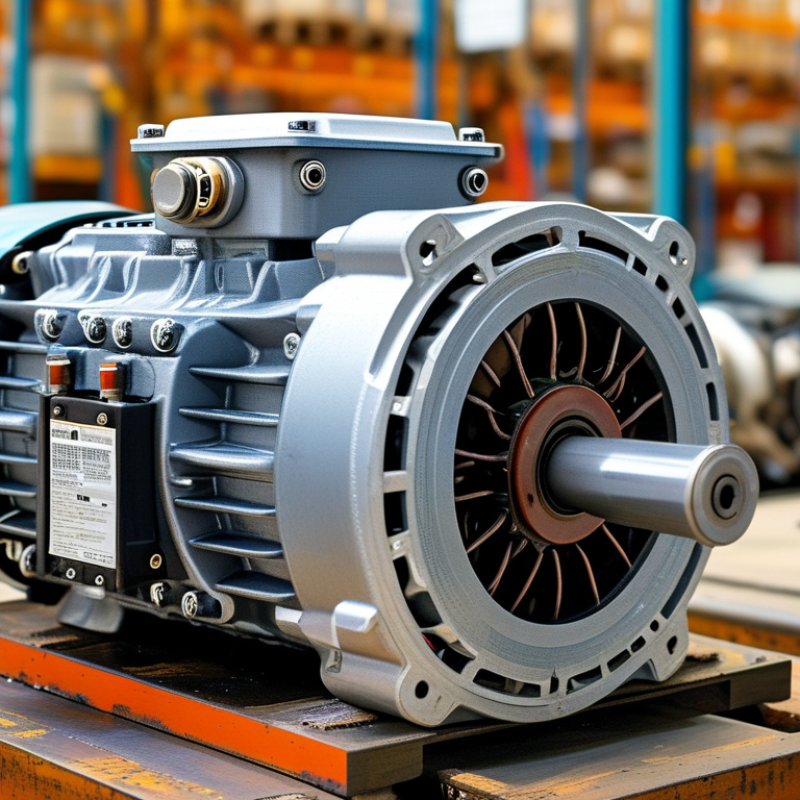
In the supply chain context, "motor in stock" refers to having a sufficient inventory of motors available for immediate use. Motors are critical components in various industries, including manufacturing, transportation, and robotics. According to a report by MarketsandMarkets, the global electric motor market is projected to reach $149 billion by 2025. This growth emphasizes the importance of maintaining stock levels to fulfill demand promptly.
Reliable suppliers are essential for ensuring that motors remain in stock. A study from Accenture found that 79% of companies experience disruptions due to supply chain issues. This statistic highlights the need for businesses to partner with quality suppliers who can provide consistent and timely deliveries. Selecting suppliers with proven track records can mitigate risks and reduce the likelihood of inventory shortages.
Monitoring lead times and order fulfillment rates is vital. Many companies face challenges such as extended production schedules and fluctuating market demands. It is crucial to regularly assess supplier performance and consider alternatives if issues arise. Emphasizing quality in supplier relationships can lead to improved inventory management and overall operational efficiency.
When evaluating motor suppliers, several key factors come into play. Reliability tops the list. A recent industry report noted that 30% of companies experience delays due to unreliable suppliers. Ensuring timely delivery is vital for maintaining production schedules.
Quality certifications are another important criterion. Look for suppliers with ISO 9001 or similar certifications. This indicates a commitment to quality management systems. Research shows that certified suppliers have a 40% lower defect rate compared to non-certified ones.
Tip: Always request samples before placing a large order. This allows you to assess the performance and quality of the motors firsthand.
Another aspect to consider is the supplier’s experience in your specific industry. A supplier with a solid track record in your sector is more likely to understand your needs. They often have better solutions tailored to your requirements.
Tip: Check online reviews and testimonials from other customers. Trusted feedback can provide insights into a supplier’s reliability and customer service.
Finally, evaluate the technical support offered by the supplier. A responsive support team can make a significant difference during the implementation of motors in your project. Lack of support can lead to operational challenges later on.
Finding quality motor suppliers can be challenging, but several methods can streamline this process. Start by leveraging industry databases and directories. These resources provide a comprehensive list of manufacturers and distributors, along with their credentials. The Global Industry Analysts report from 2023 highlights that around 65% of industrial businesses rely on these platforms for supplier verification.
Networking at trade shows and industry conferences is invaluable. Engaging directly with potential suppliers fosters trust and transparency. Attendees often share insights about motor technologies and best practices. According to a survey by the Electrical Manufacturing Association, about 70% of professionals state that face-to-face interactions significantly impact supplier selection.
Online reviews and testimonials are also crucial. Analyze feedback from existing customers and industry experts. This can reveal both strengths and weaknesses of your potential suppliers. The B2B Market Research report indicates that nearly 55% of purchasing decisions are influenced by peer reviews. Thorough analysis of these reviews can lead to better sourcing choices. However, always exercise caution; not all reviews are genuine or reliable. Balancing these factors is key to finding quality suppliers for motors.
Building strong relationships with suppliers is crucial for businesses in the motor industry. Effective partnerships can lead to better pricing, reliable delivery, and superior products. However, establishing these relationships takes time and effort.
Communicate openly. Discuss your needs clearly and listen to your suppliers’ feedback. This dialogue helps identify mutual benefits. It's important to respect their expertise. Recognize that suppliers play a critical role in your supply chain. Regular meetings can foster better understanding.
Tips for nurturing these relationships:
- Be transparent about your challenges and expectations. Vendors appreciate honesty and tend to reciprocate.
- Show appreciation. A small thank you can go a long way in building rapport.
- Test the waters. Start with smaller orders to gauge a supplier’s reliability.
When issues arise, don’t shy away from addressing them. Discussing problems tactfully can strengthen bonds. Make sure to reflect on past experiences. What worked? What didn’t? Use insights gained for future improvements. Commitment to growth from both sides can turn a basic supplier relationship into a strategic partnership.
Sourcing motors can be challenging. Many buyers face issues like inconsistent quality and limited supplier options. These hurdles often arise from a lack of research. Without thorough vetting, it is easy to end up with subpar products. Trying to find reliable suppliers who adhere to standards can feel overwhelming.
One approach is to network within the industry. Attend trade shows or join forums. Connections often lead to trustworthy suppliers. However, relying solely on recommendations can be risky. It's essential to verify any supplier's reputation. Look for reviews, certifications, and history of compliance with specifications.
Communication is another potential pitfall. Misunderstandings can occur, especially across language barriers. Clear specifications help mitigate these issues. Drafting detailed contracts can clarify expectations. Yet, remember that flexibility can be valuable. Adapting to a supplier's processes might yield better results. Always be prepared to revisit and refine your sourcing strategies.
| Motor Type | Average Price (USD) | Common Supply Challenges | Tips to Overcome Challenges |
|---|---|---|---|
| AC Motor | 150 | Quality inconsistency | Request samples and perform quality checks |
| DC Motor | 180 | Lead time issues | Establish clear timelines and contract terms |
| Stepper Motor | 200 | Supplier reliability | Conduct background checks and verify references |
| Servo Motor | 250 | Technology compatibility | Assessment of technical specifications and integrations |
| Brushless Motor | 300 | Cost fluctuations | Negotiate long-term contracts to stabilize prices |
: It refers to having enough inventory of motors ready for immediate use in various industries.
It helps fulfill demand promptly, avoiding shortages that could disrupt operations.
Reliable suppliers ensure consistent deliveries, minimizing the risk of inventory shortages.
Utilize industry databases, network at trade shows, and review online customer feedback.
They foster trust and provide insights that aid in making informed decisions.
Being open about challenges and expectations encourages mutual trust and collaboration.
A small thank you can enhance rapport and encourage better cooperation.
It allows businesses to assess a supplier's reliability before committing to larger purchases.
Address problems directly and reflect on past experiences to foster stronger partnerships.
It can transform basic relationships into strategic partnerships that benefit both parties.
The article "What is Motor In Stock and How to Find Quality Suppliers?" delves into the significance of having motors readily available in the supply chain. It emphasizes that "Motor In Stock" ensures operational efficiency and helps businesses meet client demands promptly. Evaluating motor suppliers involves considering key factors such as reliability, quality, and consistency, which are crucial for maintaining production flow.
To locate quality motor suppliers, various research methods can be employed, including online searches, industry networks, and trade shows. Establishing strong relationships with suppliers is also vital, which can lead to better pricing and support. However, sourcing motors may come with challenges such as fluctuating prices and availability issues, but these can be mitigated through strategic planning and proactive communication. Overall, understanding "Motor In Stock" and its role can significantly enhance supply chain management.
