In the world of robotics and automation, a DC Gear Motor plays a crucial role. Renowned expert Dr. Jane Smith, a mechanical engineer specializing in motor technology, emphasizes, "DC Gear Motors are the heart of countless machines." Understanding how this motor works is essential for engineers and hobbyists alike.
A DC Gear Motor combines a direct current motor with a gear mechanism. This combination allows for increased torque and reduced speed. Many applications, such as electric vehicles and robotics, rely on this motor. However, some users may overlook details, such as efficiency or load capacity. A small oversight can lead to performance issues.
This motor's design offers both advantages and challenges. While DC Gear Motors are reliable, they may require adjustments for optimal use. Each application presents unique demands, and users must adapt accordingly. Understanding these nuances is vital for success in utilizing DC Gear Motors effectively.
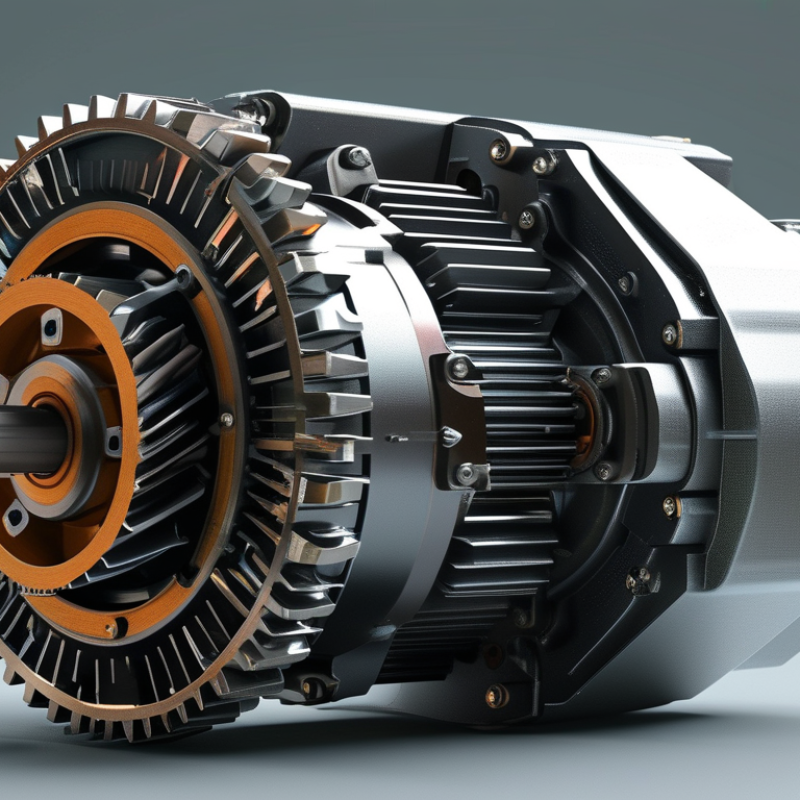
A DC gear motor is a compact device that combines a direct current (DC) motor with a gear train. This design provides enhanced torque while reducing the motor's speed. The gear train, consisting of multiple gears, plays a crucial role in this function. It translates the high-speed output of the motor into a lower-speed, higher-torque output, which is essential for various applications.
These motors are commonly used in robotics, electric vehicles, and industrial applications where precise movement is required. Their ability to control speed and torque makes them versatile. However, they may not be suitable for every application. Some users might find the gear system adds complexity, potentially leading to maintenance challenges. Additionally, the inherent noise from gear interactions could be a concern in certain environments.
Understanding the specifications and limitations of DC gear motors is vital. For instance, the gear ratio influences both speed and torque. Choosing the right ratio is essential for achieving desired performance. Users should also consider the motor's lifespan and reliability in their specific application. These factors can often lead to reflections on design choices and adjustments needed for optimal performance.
DC gear motors combine a direct current motor and a gear reduction system. This combination enhances torque while keeping motor speed manageable. Understanding the key components helps demystify how they operate.
A crucial part is the motor itself, which converts electrical energy into mechanical motion. It relies on electromagnetic principles. Then, the gearbox reduces the speed of the motor. This reduction increases torque, making it suitable for various applications. The gears often consist of metal or plastic, contributing to durability and efficiency.
Tips: When choosing a DC gear motor, consider the load requirements. Match motor specifications to your project's needs to avoid performance issues. Additionally, be mindful of heat production during operation, as excessive heat can damage components over time.
Power supply is another vital aspect. Ensure your power source meets the motor’s voltage and current specifications. An inadequate supply can lead to underperformance. Always use quality connections to minimize resistance. Also, regularly check for wear and tear on gears to maintain efficiency.
A DC gear motor combines a direct current (DC) motor with a gear mechanism. These motors are popular in various applications, from robotics to small appliances. The gear mechanism slows down the motor's output speed while increasing its torque. This means they can provide the necessary power without needing high speed.
Inside the motor, electrical energy flows into the rotor. The rotor is connected to the gears, which reduce the motor's speed. The output torque increases as the speed decreases. This principle allows for precise control in applications like conveyor belts and automated systems. However, some may find that gear motors can produce more noise compared to standard DC motors.
In real-world applications, the choice of gear ratio is crucial. A higher gear ratio results in greater torque but reduces speed. Conversely, a lower ratio offers speed at the expense of torque. Users must carefully consider these factors to suit their needs. Finding the right balance might require testing different configurations, leading to potential challenges along the way.
DC gear motors are widely used across various industries due to their versatility and efficiency. In robotics, they power movement in robots, allowing for precise control over speed and direction. These motors are often compact and lightweight, making them ideal for applications where space is limited. Furthermore, they provide high torque at low speeds, which is crucial for tasks like lifting or steering.
In automotive applications, DC gear motors drive components such as power seats and window regulators. Their reliability ensures long-term performance, although some users report occasional wear issues that require monitoring. Additionally, they are commonly found in home appliances, such as washing machines and vacuum cleaners. The ability of DC gear motors to operate smoothly in these devices is essential for user satisfaction. Yet, it is important to choose the right gear ratio to prevent overloading, which is a common mistake.
These motors also play a significant role in automation systems. They enable precise movements in conveyor belts and robotic arms, improving efficiency in manufacturing. The adaptability of DC gear motors allows integration into a wide range of systems. However, potential overheating and maintenance challenges can arise, highlighting the need for proper installation and regular checks. Addressing these issues ensures optimal performance and longevity.
DC gear motors are increasingly popular in various applications due to their unique advantages. One key benefit is their ability to deliver high torque at low speeds, making them suitable for tasks that require significant force without sacrificing precision. For instance, they are often used in robotics, where controlling movement accurately is essential. The gear mechanism amplifies the motor’s torque while reducing its speed, which is crucial for many mechanical systems.
Another significant advantage of DC gear motors is their compact design. This allows them to fit into tight spaces where larger motors would not work. In appliances, they help save space while providing necessary power. Moreover, they are energy-efficient compared to other motor types. This efficiency translates into longer operational life and reduced energy costs.
Despite these benefits, there are limitations. The gear system can introduce backlash, affecting precision over time. Users should regularly maintain these motors to ensure optimal performance. Additionally, they may experience overheating under continuous operation, which requires careful monitoring. Understanding and addressing these issues is vital for reliable use in any application.
| Feature | Description |
|---|---|
| Type | Electric motor with geared output |
| Voltage Levels | Typically ranges from 6V to 48V |
| Torque | High torque output with low RPM |
| Efficiency | Generally more efficient than standard DC motors |
| Applications | Used in robotics, automation, and machinery |
| Benefits | Compact size, high efficiency, and controllability |
: A DC gear motor combines a DC motor with a gear train. This design enhances torque and reduces speed.
It slows down the motor's output speed and increases torque. This allows precise control in applications like conveyor belts.
These motors are used in robotics, automotive, and home appliances. Their efficiency makes them versatile for various tasks.
Users should consider the gear ratio, lifespan, and reliability. Choosing the wrong ratio can lead to performance issues.
Yes, DC gear motors can produce more noise than standard motors. The gear interactions may be problematic in quiet environments.
Users may encounter wear issues and overheating. Regular maintenance checks can help address these challenges effectively.
The gear ratio directly affects speed and torque. Testing different configurations might be necessary for optimal performance.
Absolutely, they provide precise control over movement. However, users need to ensure they are suited for specific tasks.
Yes, proper installation is necessary. Incorrect setups can lead to potential overheating and maintenance challenges.
They may not fit every application. Users should reflect on their specific needs to avoid unnecessary complexity.
A DC Gear Motor is a versatile and efficient device that integrates a direct current (DC) motor with a gear reducer, allowing for better torque control and speed reduction. The key components of a DC Gear Motor include the DC motor itself, gears, and sometimes a housing, which work together to convert electrical energy into mechanical energy. The operation of a DC Gear Motor involves the interaction of these components, dramatically increasing the output torque while decreasing the speed, which makes it suitable for various applications.
DC Gear Motors are widely used in robotics, automotive systems, and industrial machinery, thanks to their benefits such as compact size, enhanced performance, and ability to operate under various load conditions. Their unique design allows for precise movement and control, making them an ideal choice for tasks requiring accuracy and reliability. Overall, DC Gear Motors play a crucial role in modern engineering and technology, making them essential in many fields.
