How to Choose an Electric Gear Motor in 2026?

Time:2026-09-06 Author:Madeline
0%

Choosing an Electric Gear Motor in 2026 requires more than comparing price, voltage, and catalog size. Industrial buyers now evaluate efficiency, service life, noise, controls, and maintenance access together. The International Energy Agency’s Energy Efficiency 2024 report highlights continuing pressure to reduce industrial energy consumption. That pressure reaches small machines, including conveyors, packaging lines, pumps, and automated doors.

Market research points in the same direction. MarketsandMarkets’ Industrial Automation Market report identifies rising automation investment as a major growth driver for motors and drives. Grand View Research also reports expanding demand for energy-efficient motors across industrial applications. These trends make selection more technical. A motor that saves energy at low load may perform poorly during repeated starts. A compact gearbox may fit the frame but overheat under shock loading. Small details matter.

This guide connects published industry evidence with practical selection experience. It examines torque, speed ratio, duty cycle, gearbox type, thermal limits, ingress protection, control compatibility, and total operating cost. For example, a 60-rpm conveyor motor should be checked during startup, not only at steady speed. That is where weak assumptions often appear. The best Electric Gear Motor is not always the largest, quietest, or cheapest model. It is the unit that matches real loads, real environments, and realistic maintenance habits. That judgment remains imperfect. Field measurements can still challenge a spreadsheet.
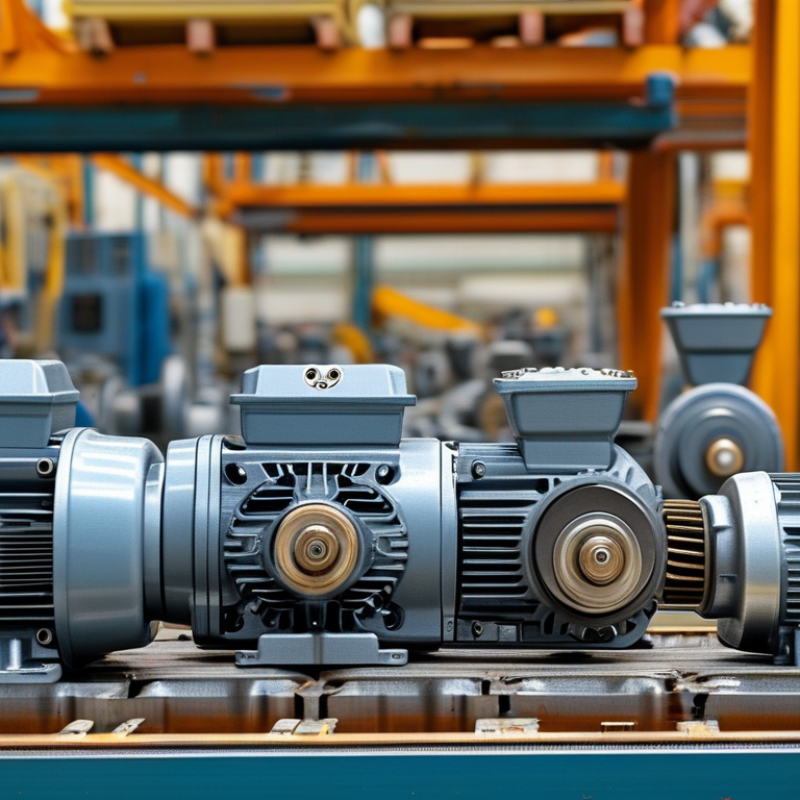
How to Choose an Electric Gear Motor in 2026?

What Is an Electric Gear Motor and How Does It Work?

An electric gear motor combines an electric motor with a gearbox in one compact unit. The motor creates rotation, while the gearbox reduces speed and increases usable torque. Inside, gears transfer force through carefully matched teeth, shafts, bearings, and lubrication. Think of a small conveyor moving a heavy box slowly. The motor may spin quickly, but the gearbox delivers controlled movement.

When power reaches the motor windings, a magnetic field turns the rotor. That rotation enters the gearbox through an input shaft. Each gear stage changes speed and torque. More reduction usually means higher output torque, but efficiency can fall. Heat then becomes important. In practical testing, I check the housing temperature after continuous operation, not just during a short demonstration. A motor that feels fine for five minutes may struggle after two hours.

Choosing one in 2026 requires more than matching voltage. Measure the required output speed, starting torque, running torque, duty cycle, noise level, and available space. Check the gearbox’s rated torque, backlash, protection rating, and mounting position. Do not confuse peak torque with continuous torque. That mistake is common. I also leave a sensible safety margin, although an oversized unit can waste energy and increase cost. Load behavior may change, so real operating data is more valuable than a perfect spreadsheet.

How to Define Your Application and Operating Requirements

How to Choose an Electric Gear Motor in 2026?

How to Define Your Application and Operating Requirements

Start with the machine, not the motor. Describe what the motor must move, lift, rotate, or position. Record the load weight, shaft orientation, available space, and mounting method. A conveyor carrying uneven boxes needs different performance from a small indexing mechanism. Observe the real machine during startup and stopping. Peak resistance often appears only then.

Define torque, speed, duty cycle, and operating hours. Note whether the motor runs continuously, cycles every minute, or reverses frequently. Check the available voltage and controller limits before selecting a motor. Measure ambient temperature, dust, moisture, vibration, and cleaning exposure. These details affect insulation, sealing, cooling, and gearbox life. Leave a sensible torque margin, but avoid oversizing. An oversized motor can cost more and operate inefficiently. My early selections sometimes relied too heavily on catalog ratings. Field measurements would have prevented those mistakes. Measure twice.

Tips: Keep a simple operating sheet. Include load data, speed targets, cycle timing, environment, and failure concerns. Test the motor with the actual load when possible. Listen for abnormal noise and monitor surface temperature after repeated cycles. Recheck assumptions after installation; real conditions can differ from calculations.

How to Select the Right Motor Type, Gear Ratio, and Torque

How to Choose an Electric Gear Motor in 2026?

Selecting a gear motor starts with the load, not the catalog. The IEA’s Energy Efficiency 2023 analysis estimates that electric motor systems consume about half of global electricity. Small sizing errors therefore affect both operating cost and reliability. Record the load type, running hours, starts per hour, ambient temperature, and available voltage. A conveyor carrying 80 kilograms behaves differently from a mixer with frequent shock loads.

Choose the motor type around duty conditions. Induction motors remain practical for steady industrial loads. Permanent-magnet motors can improve efficiency where speed control and long operating hours matter. The U.S. Department of Energy’s motor systems guidance indicates that motor-driven equipment can represent roughly 70% of industrial electricity use. Efficiency matters, but cooling, enclosure rating, and maintenance access matter too. I once underestimated dust exposure. The motor survived, but the gearbox did not.

Calculate the gear ratio from required output speed: ratio equals motor speed divided by load speed. Then calculate torque using T = 9550P/n, where T is newton-metres, P is kilowatts, and n is revolutions per minute. Add starting torque, acceleration torque, and a realistic service factor. IEC 60034-30-1 provides efficiency-class guidance, but it does not replace application testing. A 2.2 kW motor may run the load, yet fail during cold starts. Check the peak torque, not only the average torque. Datasheets can look reassuring. Field measurements are better.

How to Choose an Electric Gear Motor in 2026?

Select the motor type, gear ratio, and torque by matching the required output speed and load torque.

This comparison uses a 1,500 rpm motor with a 1 N·m input torque and an assumed 80% gearbox efficiency. Output speed is calculated as motor speed ÷ gear ratio, while estimated output torque is calculated as input torque × gear ratio × efficiency. Actual performance depends on motor type, duty cycle, gearbox design, temperature, and load conditions.

How to Compare Efficiency, Controls, Materials, and Safety Features

How to Choose an Electric Gear Motor in 2026?

Choosing an electric gear motor starts with the real operating cycle, not the catalog headline. Record load, speed, starts per hour, stopping time, and ambient temperature. A motor that meets peak torque may still overheat during repeated acceleration. Check rated efficiency at the working load, not only at maximum capacity. Small losses become significant in conveyors, lifts, and automated machinery running continuously. Measure the motor and gearbox together when possible. The system matters.

Controls also deserve close attention. Variable-speed drives can reduce energy use, but poor tuning may create vibration, noise, or unstable starting. Confirm voltage, current, feedback options, braking needs, and communication compatibility before ordering. Simple control is sometimes safer. A complex interface can introduce faults that maintenance teams cannot diagnose quickly. Leave room for manual operation during service.

Material selection should match the environment. Aluminum housings reduce weight, while cast iron can resist harsh mechanical conditions. Stainless steel helps in wet or corrosive areas, but it does not remove every sealing requirement. Examine shaft seals, enclosure ratings, fasteners, and cable entries together. Safety features may include thermal protection, overload monitoring, emergency stopping, and guarded rotating parts. Verify test reports and installation instructions from reliable technical sources. A spreadsheet can look exact. It may still miss dust, cold starts, or an operator’s daily habits. Test a representative unit under realistic conditions before final approval.

How to Verify Compatibility, Maintenance Needs, and Total Cost

How to Choose an Electric Gear Motor in 2026?

Compatibility begins with the machine, not the motor catalogue. Confirm voltage, phase, rated speed, output torque, shaft size, mounting position, and duty cycle. Measure the real load during startup, not only during smooth operation. A conveyor carrying 80 kilograms may need much more torque when it begins moving. Check the gearbox ratio and service factor carefully. Small mismatches create heat, noise, or early failure.

Tips: Write every requirement on one sheet. Include ambient temperature, dust, moisture, brake needs, and controller compatibility. Ask for dimensional drawings and test data. Do not trust a similar-looking shaft. It may fit today and fail under vibration tomorrow.

Maintenance and total cost deserve equal attention. Choose accessible grease points, replaceable seals, and inspection space around the housing. Review the recommended lubrication interval and spare-part availability before purchasing. Calculate energy use, installation labor, downtime, maintenance, and disposal costs. The cheapest unit may become expensive after repeated stoppages. A spreadsheet helps, but it can still miss operator habits and seasonal loads. That is where selection becomes less certain. Recheck assumptions with measured data, a qualified technician, and a short pilot test before committing to production.

How to Choose an Electric Gear Motor in 2026? - How to Verify Compatibility, Maintenance Needs, and Total Cost
The figures below are practical engineering reference ranges for preliminary selection. Final sizing should be confirmed using the motor manufacturer's test data, application duty cycle, ambient conditions, and applicable safety standards.
Selection Dimension Typical Reference Data How to Verify Compatibility Maintenance Requirement Total Cost Impact Recommended Decision
Required Output Torque Calculate static torque plus acceleration torque, friction, incline force, and a service factor. A practical preliminary service factor is 1.25–1.75 for moderate applications. Confirm that rated gearbox output torque is higher than the calculated peak operating torque, not only the average torque. Overloading increases gear wear, bearing fatigue, heat generation, and lubricant degradation. Undersizing can create early replacement costs; oversizing can increase purchase price, energy use, and mounting size. Select by peak torque
Output Speed Common geared output speeds range from approximately 10 to 300 rpm. Final speed depends on motor speed, gear ratio, and slip. Check the required speed under actual load and verify whether the drive can regulate speed without exceeding motor thermal limits. Frequent operation at very low speed may reduce cooling and increase thermal stress, especially with non-ventilated motors. A higher gear ratio may reduce the need for an expensive external transmission but can lower efficiency. Match loaded speed
Gear Ratio Typical ratios are approximately 3:1 to 300:1. Higher ratios generally provide lower speed and higher output torque. Verify the ratio, allowable backlash, output direction, and whether the gearbox can withstand the reflected inertia of the driven machine. High-ratio gearboxes may require closer inspection of seals, bearings, and lubricant condition. Integrated gearing can reduce system-part count, while special ratios may increase lead time and replacement cost. Choose the lowest suitable ratio
Motor Efficiency Modern induction and permanent-magnet motor systems commonly achieve approximately 75%–92% motor efficiency, depending on power and operating point. Use efficiency data at the actual load and speed rather than relying only on the maximum rated efficiency. Blocked airflow, excess temperature, and contaminated cooling surfaces can reduce efficiency over time. For continuous operation, electricity cost can exceed the initial purchase price over the motor's service life. Compare lifetime energy cost
Duty Cycle Define operating mode such as continuous duty, intermittent duty, starts per hour, operating minutes per cycle, and idle time. Confirm that the motor's rated duty matches the real cycle, including acceleration, braking, reversing, and jam-clearing events. Frequent starts and stops increase thermal cycling, brake wear, connector stress, and gearbox loading. A motor designed for a higher duty class may cost more initially but reduce downtime and emergency replacement costs. Use the real duty profile
Power Supply and Drive Common industrial supplies include single-phase or three-phase AC systems; variable-speed applications often use an inverter or electronic drive. Check voltage, frequency, phase count, full-load current, starting current, drive compatibility, and braking requirements. Incorrect drive settings can cause overheating, nuisance trips, bearing currents, or excessive mechanical shock. Drive and control-panel costs may represent a significant part of the installed system cost. Verify electrical data first
Mounting and Shaft Interface Check mounting pattern, shaft diameter, shaft length, keyway or other interface, rotation direction, and available installation space. Compare certified dimensional drawings with the existing equipment. Confirm radial load, axial load, overhung load, and coupling alignment. Misalignment can cause seal leakage, coupling wear, bearing failure, and abnormal vibration. Mechanical adapters, new couplings, machining, and installation downtime can materially increase conversion cost. Approve the drawing before purchase
Environmental Protection For dust or water exposure, an enclosure rating such as IP55 or higher is often considered; washdown or outdoor conditions may require a higher rating and corrosion protection. Match enclosure, cable glands, paint system, ambient temperature, humidity, altitude, dust, chemicals, and washdown pressure to the site conditions. Inspect seals and cable entries regularly. Clean cooling surfaces without directing high-pressure water at vulnerable seals. Higher protection and corrosion resistance increase initial cost but may reduce contamination-related failures. Select for the actual environment
Lubrication and Gearbox Life Gearbox lubricant type and service interval depend on speed, load, temperature, orientation, and operating hours. Many sealed gearboxes require limited routine lubrication but are not maintenance-free. Confirm lubricant specification, fill level, mounting orientation, allowable temperature, and whether the gearbox is serviceable or sealed for life. Check for leakage, abnormal noise, vibration, temperature rise, and lubricant discoloration at planned intervals. Serviceable gearboxes may reduce replacement cost; sealed units can lower routine labor but may require full replacement after lubricant or bearing failure. Follow the service schedule
Brake Requirement A holding or stopping brake may be needed for vertical loads, emergency stopping, or controlled positioning. Brake selection depends on load torque and stopping frequency. Verify static holding torque, dynamic braking torque, response time, release voltage, stopping energy, and fail-safe behavior. Brake linings, springs, air gaps, and rectifiers may require inspection or replacement depending on cycle frequency. Adding a brake increases purchase, wiring, and maintenance costs but can prevent load drop, product damage, and safety incidents. Required for suspended or back-driving loads
Noise and Vibration Noise and vibration limits vary by motor size, gearbox design, installation, and measurement method. Trending the baseline is more useful than using one universal limit. Record baseline vibration and sound after commissioning, then compare future readings under the same load and speed. Rising vibration may indicate misalignment, worn bearings, gear damage, looseness, or an unbalanced load. Condition monitoring can cost more initially but may reduce unplanned downtime and secondary equipment damage. Establish a baseline
Spare Parts and Serviceability Evaluate availability of bearings, seals, brakes, encoders, terminal components, lubricants, and complete replacement units. Request a parts list, exploded drawing, expected availability period, repair instructions, and technical support response time. Accessible components and documented procedures shorten preventive and corrective maintenance work. Low purchase price may be outweighed by long lead times, specialized tools, or high labor requirements. Score support and parts availability
Initial Purchase Cost Include the motor, gearbox, brake, drive, encoder, coupling, adapter, cables, guards, and mounting hardware. Compare complete installed-system quotations rather than comparing the motor price alone. Features that simplify inspection or replacement may increase initial cost but reduce labor later. Initial price is only one component of total cost of ownership. Compare complete system cost
Total Cost of Ownership Use: purchase cost + installation + electricity + preventive maintenance + spare parts + downtime risk − residual value. Calculate at the expected service life using operating hours, electricity price, load profile, maintenance labor rate, and downtime cost. Use inspection intervals, temperature trends, vibration readings, and failure history to update the estimate. For long operating hours, energy and downtime often have a greater financial effect than the initial motor price. Choose the lowest life-cycle cost
Final Acceptance Test Test no-load and loaded speed, current, temperature rise, torque response, rotation direction, vibration, noise, brake action, and emergency stop behavior. Record measured values against approved limits and retain the test report with the motor's serial and maintenance documentation. Acceptance data creates the reference point for future preventive and predictive maintenance. Testing adds a small commissioning cost while reducing the risk of installing an incompatible or defective unit. Do not skip commissioning tests

FAQS

: What information should I collect before choosing an electric gear motor?

: Describe what the motor must move, lift, rotate, or position. Record load weight, shaft direction, space, and mounting method. Measure twice.

Why should I observe the machine during starting and stopping?

Peak resistance often appears during acceleration or stopping. A conveyor carrying uneven boxes may need more torque than expected. Static calculations can miss this.

How do duty cycle and operating hours affect motor selection?

Record starts per hour, running time, pauses, and reversing frequency. Repeated acceleration can overheat a motor, even when peak torque looks sufficient.

How much torque margin should I leave?

Leave a sensible margin for resistance changes and brief peaks. Avoid excessive oversizing. A larger motor may cost more and waste energy. My early estimates were too optimistic.

What environmental conditions must I check?

Measure temperature, dust, moisture, vibration, and cleaning exposure. These conditions affect cooling, insulation, seals, and gearbox life. Wet areas need careful cable and shaft protection.

What should I verify about the control system?

Check voltage, current, speed range, feedback, braking, and communication requirements. Poor tuning can cause vibration or unstable starting. Simple control is sometimes safer.

How do materials and enclosure details influence the choice?

Lightweight housings can reduce machine weight. Stronger housings may suit severe mechanical conditions. For wet areas, inspect seals, fasteners, cable entries, and enclosure protection together.

How can I confirm the motor works safely in real conditions?

Test a representative unit with the actual load when possible. Monitor surface temperature after repeated cycles. Listen for unusual noise. Keep manual operation available during service. Catalog data is not enough.

Conclusion

Choosing the right Electric Gear Motor begins with understanding how an electric motor and gearbox work together to convert electrical energy into controlled rotational motion. Start by defining the application’s load, speed, duty cycle, direction of rotation, available power supply, installation space, environmental conditions, and required operating life. These details help determine the appropriate motor technology, gearbox style, gear ratio, and output torque while preventing oversizing or underperformance.

A complete evaluation should also consider efficiency, noise, thermal behavior, control compatibility, construction materials, protection ratings, and essential safety features. Verify that the motor matches the mounting arrangement, shaft dimensions, voltage, controller, and operating environment. Maintenance requirements, service accessibility, expected replacement intervals, and total ownership cost are equally important. By comparing purchase price with energy consumption, reliability, downtime risk, and long-term servicing needs, users can select an Electric Gear Motor that delivers stable performance, practical maintenance, and dependable value throughout its intended service life.

Madeline

Madeline

Madeline is a dedicated marketing professional with a wealth of expertise in our company's core offerings. With a keen understanding of the industry, she brings a unique perspective to her role, consistently delivering high-quality content that highlights the superior aspects of our products. As......