How to Choose the Right AC Shaded Pole Gear Motor for Your Needs?

Time:2026-07-18 Author:Amelia
0%

Choosing the right AC Shaded Pole Gear Motor can be challenging. There are many options available, and each serves different needs. This motor type is popular for its simplicity and reliability. Understanding your specific requirements is crucial.

Consider the application before making a decision. The motor should match the load and speed needed. Efficiency can vary, impacting performance and costs. Diversifying your knowledge about features like torque and durability helps in making an informed choice.

Test different models if possible. Real-world experience provides insights that specifications alone cannot convey. Sometimes, what seems ideal on paper may not perform as expected. Keep an open mind and evaluate user reviews for better judgment.
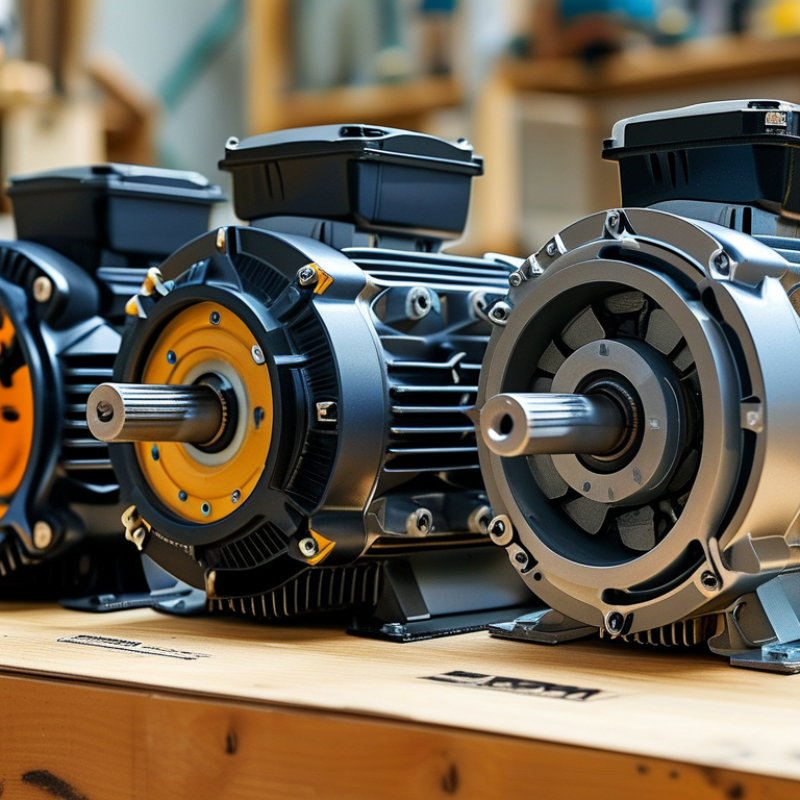
How to Choose the Right AC Shaded Pole Gear Motor for Your Needs?

Key Specifications to Consider for AC Shaded Pole Gear Motors

When choosing the right AC shaded pole gear motor, understanding key specifications is essential. One of the most critical features to consider is torque. Research indicates that torque ratings directly impact performance. Motors with a higher torque rating can handle greater loads, which is vital for applications such as fans and small pumps. A common specification for shaded pole gear motors shows torque values ranging from 0.5 to 5 Nm, depending on the design.

Another significant consideration is efficiency. Industry reports highlight that efficiency can vary between 30% to 80% in shaded pole motors. A higher efficiency rating means lower energy consumption in the long run. Selecting a motor with an electrical efficiency over 60% is generally advisable to avoid excessive energy costs. It's also important to look at the gear ratio.

The gear ratio can affect speed and torque output. Most shaded pole motors offer a range of gear ratios, typically between 5:1 and 100:1. Factors like application type and space constraints should influence this choice. One may find that a higher ratio provides better torque, but compromises speed. Recognizing these nuances is crucial for selecting the right motor for your application.

Understanding the Efficiency Ratings of AC Shaded Pole Gear Motors

When selecting an AC shaded pole gear motor, efficiency ratings are crucial. These ratings indicate how well the motor converts electrical energy into mechanical energy. Higher efficiencies mean lower energy costs, which is essential for long-term savings. Look for motors that provide clear efficiency classifications. This information can be found in product specifications or energy labels.

Many users overlook the impact of efficiency on performance. A less efficient motor may save money upfront but lead to higher operational costs. This gap can accumulate quickly. It’s important to consider the motor's application and runtime. For short-term tasks, a slightly less efficient motor may suffice. However, for continuous use, prioritizing efficiency is wise.

Understanding these ratings helps avoid potential pitfalls. Not all manufacturers provide transparent information about efficiency. This lack of clarity can lead to poor choices. Users should seek out independent reviews and comparisons. This research can reveal hidden aspects and guide you toward a suitable motor for your specific needs. While efficiency ratings are a valuable tool, they should be part of a broader decision-making process.

Evaluating Load Requirements for Optimal Motor Performance

Choosing the right AC shaded pole gear motor hinges significantly on understanding your load requirements. The motor's performance directly correlates with the load it must handle. According to industry studies, motors must operate within 70-80% of their full capacity for optimal efficiency. Exceeding this capacity can lead to overheating and premature failure. Conversely, underloading a motor does not allow it to reach its rated efficiency, wasting energy.

Evaluating the load requirements includes considering both the static and dynamic aspects. Static load pertains to the weight or force the motor needs to manage consistently. Dynamic load involves any changes in the load during operation, such as starting and stopping. A detailed analysis of these factors can ensure you select a motor that performs reliably under varying conditions.

Tips: Always consult technical specifications to understand the torque and speed needed for your application. Check for thermal performance ratings. Pay attention to the ambient conditions as they can impact motor life and efficiency. Be cautious with load estimates; they determine the motor's lifespan and operational reliability. An underestimate can lead to system failures, while an overestimate may result in wasted energy.

Assessing Environmental Conditions Affecting Gear Motor Selection

When selecting an AC shaded pole gear motor, environmental conditions play a crucial role. Humidity, temperature, and dust levels can significantly impact performance. For instance, high humidity can cause electrical corrosion, leading to motor failure. According to a study by the International Electrotechnical Commission (IEC), motors in humid environments may face a reduction in lifespan by up to 30%.

Dust and particulate matter are other critical factors. A report from the National Electrical Manufacturers Association (NEMA) indicates that motors exposed to high levels of dust can experience overheating. This overheating risks insulation failure and can shorten operational life. Maintaining a clean environment around the motor is vital for efficiency.

Moreover, temperature extremes can alter motor performance. Operating in temperatures outside the specified range may lead to decreased torque and efficiency. Research from the Motor Systems Market Assessment shows that up to 20% of motors underperform due to unsuitable operating conditions. Understanding these environmental influences helps ensure an adequate selection of gear motors, tailored to specific applications.

How to Choose the Right AC Shaded Pole Gear Motor Based on Environmental Conditions

Comparing Cost vs. Performance: Choosing Your Ideal Gear Motor

When selecting an AC shaded pole gear motor, understanding the balance between cost and performance is crucial. Many users often prioritize initial costs, leading to choices that may not meet long-term performance needs. According to a recent market analysis, 70% of users report dissatisfaction with low-cost gear motors when high efficiency is required. This highlights a common pitfall: compromising quality for cost savings.

Performance metrics matter significantly in gear motor selection. For instance, motor efficiency can directly affect energy consumption. An efficient motor can reduce operating costs by 20% over its lifetime. However, many overlook this during their purchasing decisions, focusing narrowly on upfront expenses. This approach can result in higher long-term operational costs and maintenance needs.

Moreover, the right motor significantly impacts application-specific performance. Motors designed for continuous duty often outperform those meant for intermittent use. A motor's torque rating, speed variation, and thermal stability are critical factors. Failing to assess these characteristics may lead to poor performance in demanding applications. Industry reports show that inadequate motor selection can reduce machine lifespan by up to 30%. This reality reinforces the importance of careful evaluation beyond just price considerations.

FAQS

: Why are efficiency ratings important when selecting an

C shaded pole gear motor?

How does motor efficiency affect operational costs?

A less efficient motor may save money initially but can lead to higher operational costs over time due to energy waste.

What should I consider about load requirements?

Understanding load requirements ensures the motor operates effectively, avoiding overheating or energy waste from underloading.

What is the optimal operating capacity for motors?

Motors should operate within 70-80% of their full capacity for maximum efficiency and performance.

How does cost impact gear motor selection?

Prioritizing initial costs can lead to poor long-term choices. Many users regret low-cost motors when performance is essential.

What performance metrics should I evaluate?

Torque rating, speed variation, and thermal stability are critical for choosing the right motor for specific applications.

How can poor motor selection affect machinery?

Improperly selected motors can reduce machine lifespan by up to 30%, highlighting the need for careful evaluation.

What are common mistakes when evaluating motor efficiency?

Many users fail to consider the full operational context, focusing solely on upfront costs rather than long-term savings.

Why is detailed analysis of load factors important?

It ensures reliable motor performance under varying static and dynamic conditions, preventing system failures.

Should I rely solely on manufacturer specifications for efficiency?

No, independent reviews and comparisons can reveal hidden aspects, guiding you to a suitable and efficient motor choice.

Conclusion

When selecting the right AC Shaded Pole Gear Motor, several key specifications must be considered to ensure optimal performance. Understanding efficiency ratings is crucial, as these ratings indicate how well the motor converts electrical energy into mechanical power. It is also important to evaluate the load requirements since the motor must be capable of handling specific operational demands without compromising performance.

Additionally, assessing environmental conditions such as temperature and humidity can significantly influence the selection process, as certain motors may be better suited for harsher environments. Finally, comparing cost versus performance helps determine the ideal gear motor that meets budget constraints while delivering the necessary operational efficiency. By carefully considering these factors, you can confidently choose the right AC Shaded Pole Gear Motor for your needs.

Amelia

Amelia

Amelia is a seasoned marketing professional with a wealth of expertise in our company’s core offerings. With an unwavering passion for driving growth and innovation, she plays a pivotal role in shaping our marketing strategies and enhancing brand visibility. A key aspect of her responsibilities......