As the demand for efficient and reliable drive systems grows, the significance of the Planetary Gear Motor cannot be overstated. According to a recent report by Research and Markets, the global planetary gear motor market is projected to reach USD 5.2 billion by 2026, reflecting a compound annual growth rate (CAGR) of 7.8% from 2021 to 2026. This substantial growth underscores the pivotal role of planetary gear motors in various applications, from industrial automation to robotics.
Dr. Emily Chen, a renowned expert in mechanical engineering, emphasizes, "The versatility of Planetary Gear Motors makes them ideal for both high-speed and low-speed applications." This versatility stems from their unique design, which offers higher torque while maintaining compactness. The growing trend towards miniaturization in sectors like aerospace and automotive further highlights the need for such advancements in gear technology.
Despite their advantages, some challenges exist. Manufacturers must address durability and efficiency concerns to meet increasing regulations and market demands. Striking the right balance between performance and practicality remains a key focus. The future of the Planetary Gear Motor industry hinges on innovation and adaptation to evolving technological landscapes.
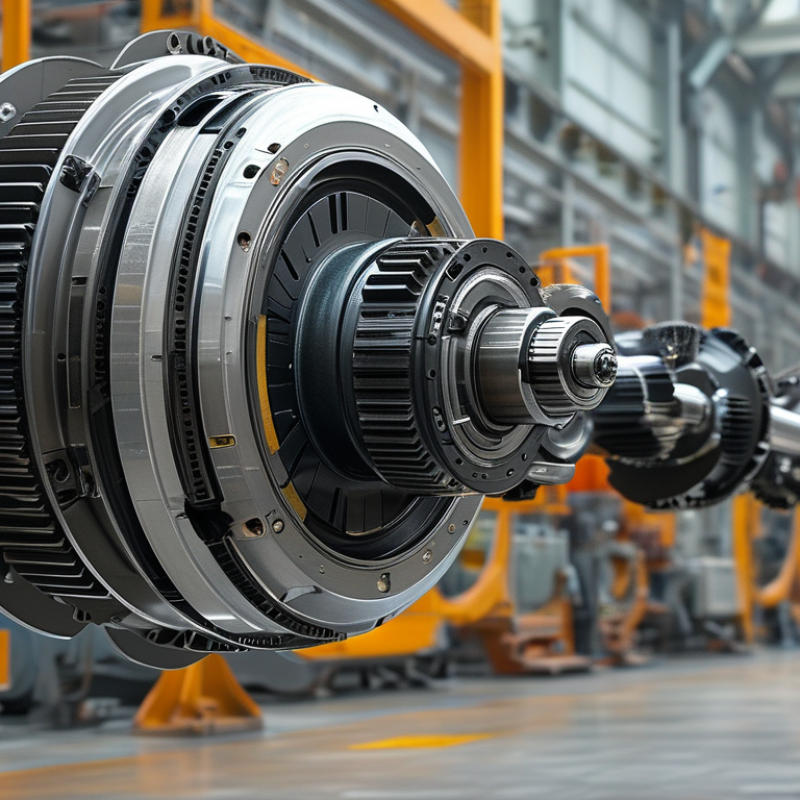
In 2026, planetary gear motors have distinguished themselves by various cutting-edge features. One essential aspect is their high torque density. These motors provide exceptional torque in a compact form. This efficiency is crucial in applications where space is limited. Additionally, their ability to deliver consistent performance enhances reliability significantly.
Another notable feature is their versatility. Planetary gear motors are suitable for diverse applications, from robotics to automotive systems. Their design allows for seamless integration in tight spaces. They excel in dynamic environments requiring quick responses. However, it is worth noting that their complexity can lead to higher maintenance demands. Users need to be prepared for potential challenges in upkeep.
Moreover, the precision of these motors stands out. They offer minimal backlash, which is vital for tasks requiring accuracy. This precision can come at a cost, as it may limit their use in heavy-duty applications. Balancing performance with application needs can be a tricky endeavor. As technology evolves, understanding these motors’ limitations will become increasingly important.
Planetary gear motors are widely used in various industrial applications. Their compact design and high efficiency make them ideal for tasks requiring precision and reliability. These motors are perfect for robotics, where space is limited. They provide accurate control, allowing for smooth operation in robotic joints and mechanisms.
Another common application is in conveyor systems. Here, the planetary gear motor ensures steady and controlled movement of goods. Its ability to handle high torque at lower speeds is essential in this context. In packaging machinery, these motors help achieve quick and efficient production cycles. Their durability under continuous use is a significant advantage.
However, challenges exist. Not all machinery may benefit from this type of motor. Some applications may require alternatives that offer different torque and speed combinations. It’s important to evaluate the specific needs of a project before opting for a planetary gear motor. This reflection can lead to better-informed decisions that enhance overall efficiency.
Planetary gear motors are increasingly popular in automation applications due to their efficiency and reliability. According to a recent market report, the global market for planetary gear motors is expected to grow at a CAGR of 7.5% from 2021 to 2026. This growth highlights the increasing demand for precise motion control and high torque capabilities in various industries, including robotics and manufacturing.
One key advantage of planetary gear motors is their compact design. They offer a high power-to-weight ratio, which makes them suitable for space-constrained applications. For instance, these motors can provide significant torque while maintaining a small footprint. The reduction in size does not compromise performance. In fact, these motors can achieve efficiency rates above 90%, leading to lower energy consumption and costs over time.
Moreover, planetary gear motors have excellent durability and lifespan. Many manufacturers report that these motors can last over 20,000 hours under normal operating conditions. However, not all planetary gear motors are created equal. Variations in materials and manufacturing processes can affect their reliability. Users should be cautious and conduct thorough evaluations before selecting a motor for critical applications.
| Feature | Description | Applications | Advantages |
|---|---|---|---|
| High Efficiency | Planetary gear motors typically achieve efficiencies of over 90%. | Robotics, conveyor systems, automation solutions. | Lower energy consumption and operational costs. |
| Compact Design | The design allows for a high power-to-weight ratio. | Aerospace, automotive, and small machinery. | Ideal for space-constrained applications. |
| Durability | Designed for high torque and extreme conditions. | Mining, construction machinery, and heavy-duty applications. | Long service life and reduced maintenance needs. |
| Versatility | Can be configured for various speeds and torques. | Printing, packaging, and textile machinery. | Customization for specific operational needs. |
| Reduced Backlash | Minimal gear play for precise motion control. | CNC machines, conveyor systems, and robotics. | Enhanced positioning accuracy and reliability. |
When comparing planetary gear motors to other motor types, several factors come into play. Planetary gear motors excel in torque and efficiency. They offer a compact design, which is a significant advantage in tight spaces. The overall construction includes a gear set that distributes load evenly, leading to improved durability. This design results in less wear and tear, compared to traditional gear motors. However, they can be more complex to assemble and maintain.
In contrast, brushed DC motors are simple and cost-effective. Their straightforward design allows for easy replacement and maintenance. But they tend to wear out faster. AC motors are known for reliability and longevity but may lack the compact design of planetary gear motors. When speed and torque are crucial, planetary gear motors stand out. They're often preferred in applications such as robotics and automation, where precise movement is needed. Still, users must consider the potential for higher initial costs and complexity in setup. Each motor type has its strengths and weaknesses, making it essential to evaluate project requirements carefully.
The advancements in planetary gear motor technology are shaping the future of many industries. Innovations focus on enhancing efficiency and reducing weight. Improved materials are making motors lighter, while advanced manufacturing techniques increase precision. As these motors become more compact, they fit better into smaller applications.
The shift towards automation and smart systems drives the demand for more reliable gear motors. Sensors integrated within the motors enhance performance monitoring. Data collected can predict failures, minimizing downtime. This trend aligns with Industry 4.0 initiatives, as connectivity becomes crucial in modern machinery.
Yet, challenges remain. Balancing power and size is difficult. Manufacturers often struggle to maintain performance while reducing dimensions. The quest for sustainable materials poses additional questions. Ultimately, while the landscape for planetary gear motors is evolving rapidly, there is still room for improvement and reflection.
: They offer high efficiency, reliability, and a compact design ideal for space-limited applications.
Many can last over 20,000 hours under normal conditions, but quality varies by manufacturer.
It allows for significant torque delivery in confined spaces without sacrificing performance.
Planetary gear motors are more efficient and durable, while brushed DC motors are simpler and cheaper.
Advances focus on efficiency, weight reduction, and integration of smart sensors for better performance management.
Balancing size with power and finding sustainable materials present significant hurdles.
No, users should evaluate specific project needs, as complexity and cost may be concerns.
Their design distributes load evenly, reducing wear compared to traditional motors, but quality may vary.
They enhance monitoring, predict failures, and help minimize downtime in automated systems.
Yes, their higher upfront costs and complexity must be weighed against long-term benefits.
The article on "2026 Top Planetary Gear Motor Features and Applications" provides an overview of the key characteristics and benefits of planetary gear motors, emphasizing their increasing importance in various industrial applications. These motors are known for their high efficiency, compact design, and exceptional torque capabilities, making them ideal for automation processes in sectors such as robotics, automotive, and manufacturing.
Furthermore, the article discusses the distinct advantages of planetary gear motors over other motor types, such as superior performance and longevity. It also highlights emerging trends in technology and design that are shaping the future of planetary gear motors, including advancements in materials and control systems. This continuous evolution underscores the pivotal role these motors play in enhancing operational efficiency and innovation in automation.